If you are planning a new construction investment in Redwood City, your biggest risk often is not the finish package or even the build cost. It is buying the wrong site, misreading the approval path, or pricing the finished product on outdated assumptions. In a fast-moving and expensive market, those early decisions can shape your entire margin. This is where working with the right local agent matters most, so let’s dive in.
Why Redwood City Demands Early Strategy
Redwood City remains one of the Peninsula’s premium housing markets. According to Redfin’s latest Redwood City housing data, the median sale price was about $1.93 million in March 2026, with homes averaging about 12 days on market and receiving around 5 offers. In a market with that kind of pace, small mistakes in underwriting or timing can become expensive quickly.
That matters even more for new construction investors. If you are planning months ahead, you cannot rely too heavily on old comps from when the property went under contract. Your acquisition, design, and resale strategy should all stay grounded in current market conditions close to delivery.
What A Redwood City Agent Should Evaluate First
Before you close on a property, you need a realistic read on what the site can actually support. In Redwood City, the city’s own residential development guidance says you should verify zoning, historic status, setbacks, height, lot coverage, and other design standards before plans are submitted. Historic resources and slope can also materially affect feasibility.
An experienced local agent can help you pressure-test the investment thesis before you commit. That includes whether the parcel is better suited for a teardown, a major remodel, an ADU strategy, or a small-lot density play.
Start With Site Triage
The first job is not design. It is site screening.
A strong Redwood City agent should help you look at:
- Zoning and allowed use
- Historic status
- Lot size and configuration
- Setbacks and height limits
- Floor area ratio thresholds
- Slope-related constraints
- Parking requirements
- Likely review path with the city
This early triage matters because Redwood City has several thresholds that can change time and cost. For example, the city’s residential development handout notes that proposed homes over 3,000 square feet or 0.45 FAR, whichever is greater, may require Planning Commission review.
Know When Review Gets More Complex
Not every project follows a simple permit path. Redwood City states that second-story exterior work generally requires an Architectural Permit before a building permit. Hillside homes on sites with an average slope of 30% or more may face added requirements.
For larger or more complex projects, the city recommends a pre-application meeting with planning staff. That sequence matters. If you misunderstand the order of approvals, you may lose time to redesigns, resubmittals, or carrying costs.
How Local Rules Affect Your Budget
Construction underwriting in Redwood City should include more than labor and materials. Local development standards can add both direct costs and timeline risk.
Some of the key items investors should account for include:
- Fire sprinklers for any new construction or for demolition and additions of 1,000 square feet or more
- Parking requirements for single-family homes, which must provide 2 spaces, with 1 covered
- Architectural review for qualifying exterior projects
- Planning Commission review for projects above city thresholds
- Additional hillside requirements on steeper sites
These are not side notes. They can change plan design, consultant scope, permit timing, and final returns.
Design Choices Matter At Resale
In Redwood City, design is not just about style. It is also about whether the finished home fits local expectations and passes review smoothly.
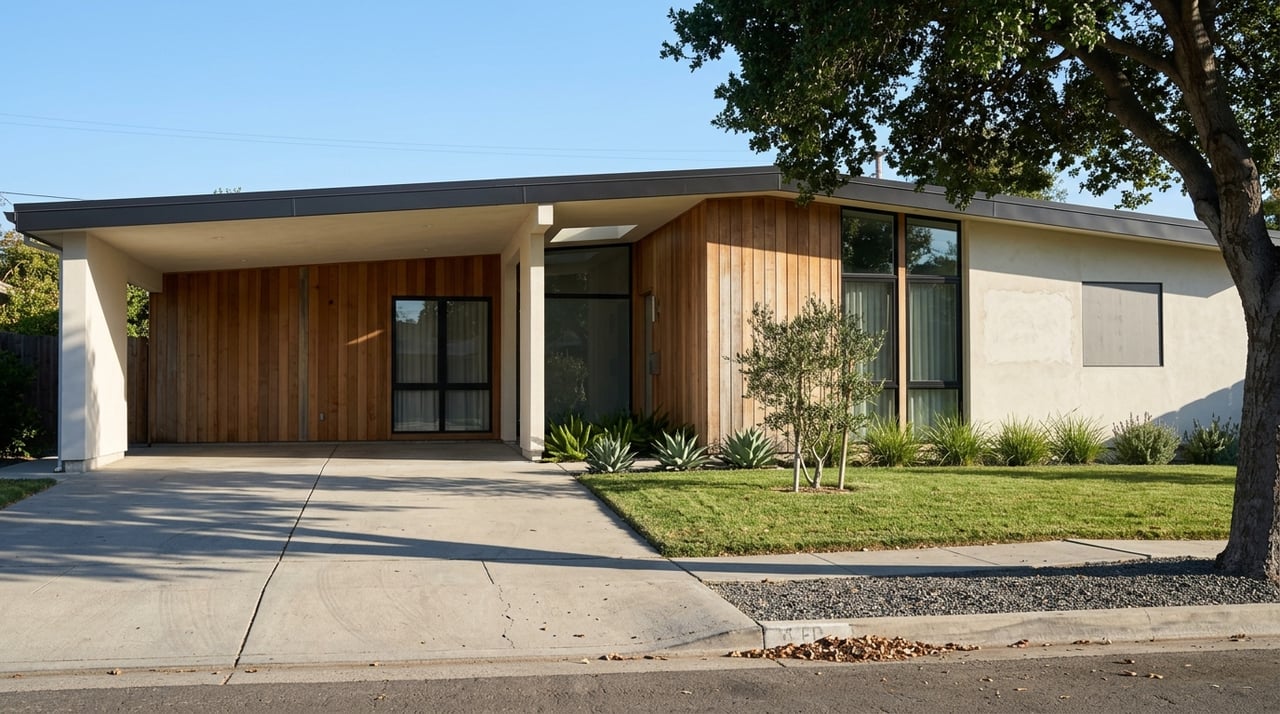
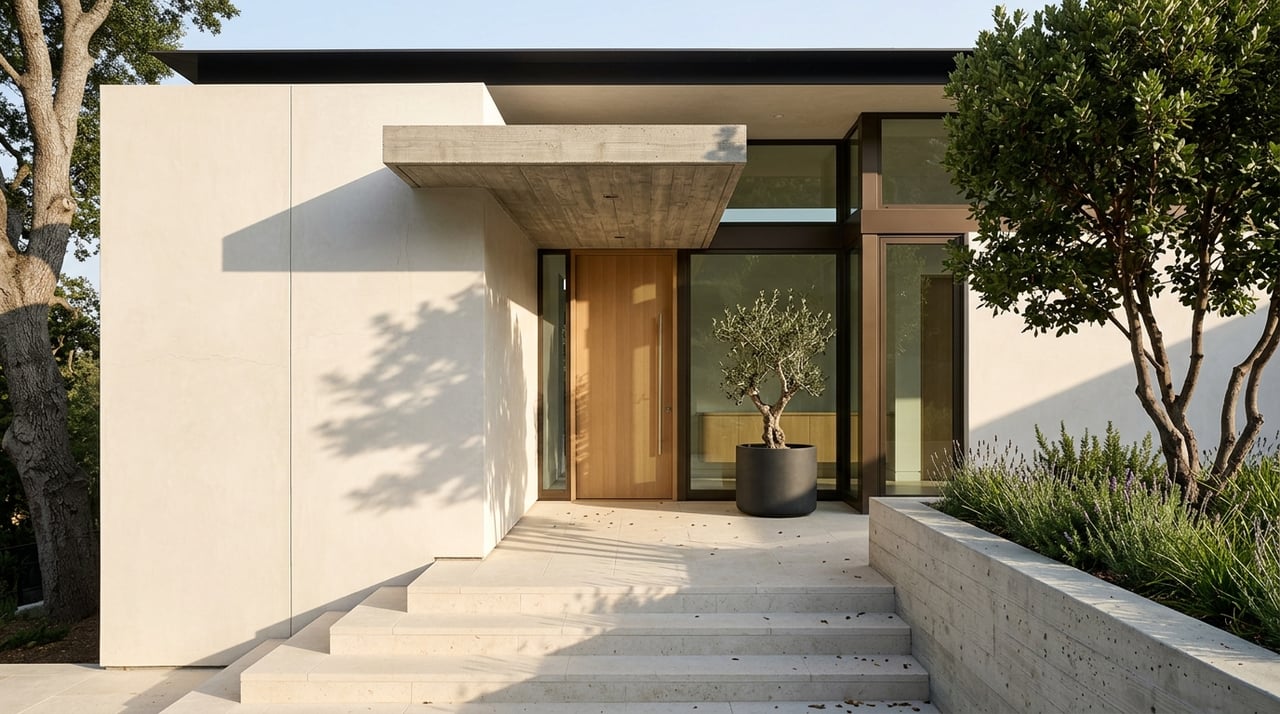
The city’s residential design guidelines focus on compatibility issues such as massing, scale, setbacks, upper-story step-backs, façade articulation, roof design, window placement, garage placement, paving, and landscaping. Those same factors can also influence how buyers respond to the finished product.
Think Beyond Interior Finishes
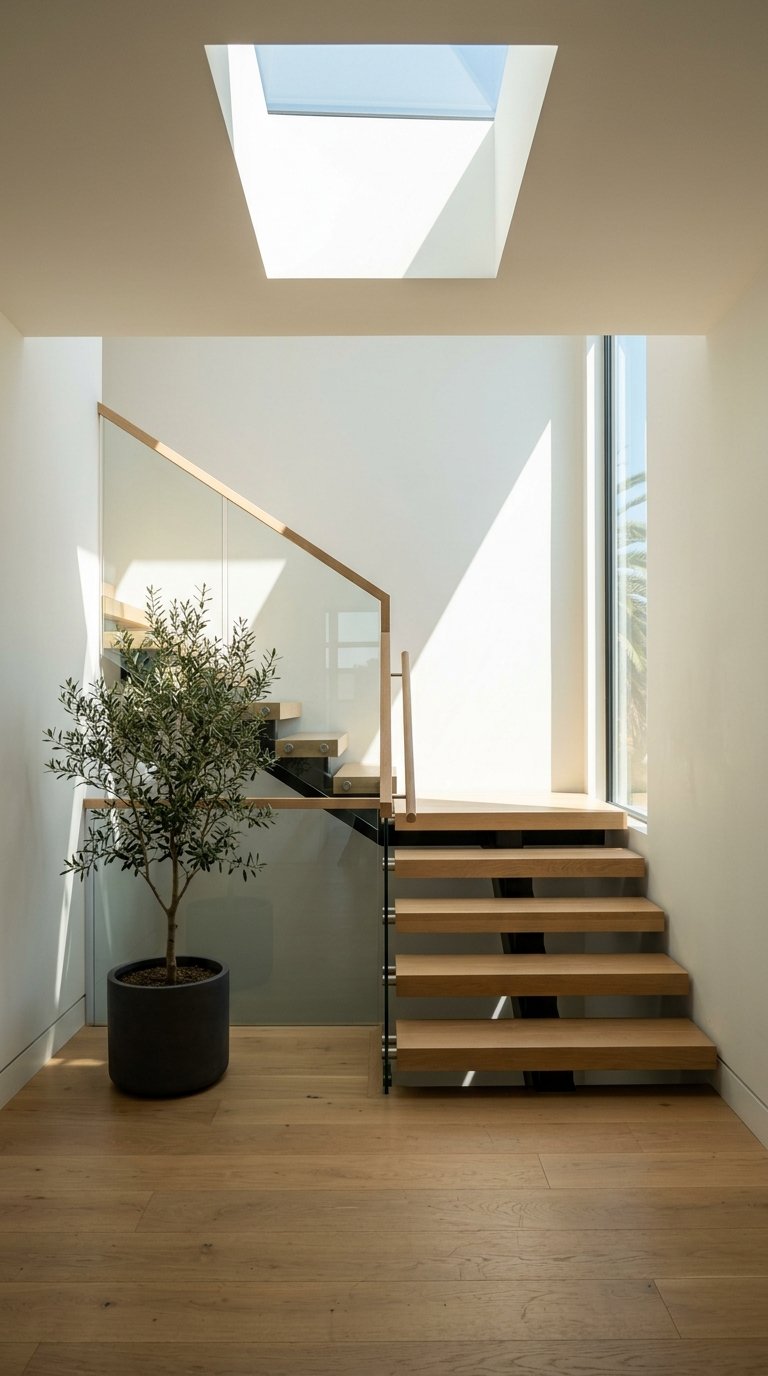
Investors often spend a lot of time selecting countertops, flooring, and lighting. Those details matter, but the larger resale story often begins outside.
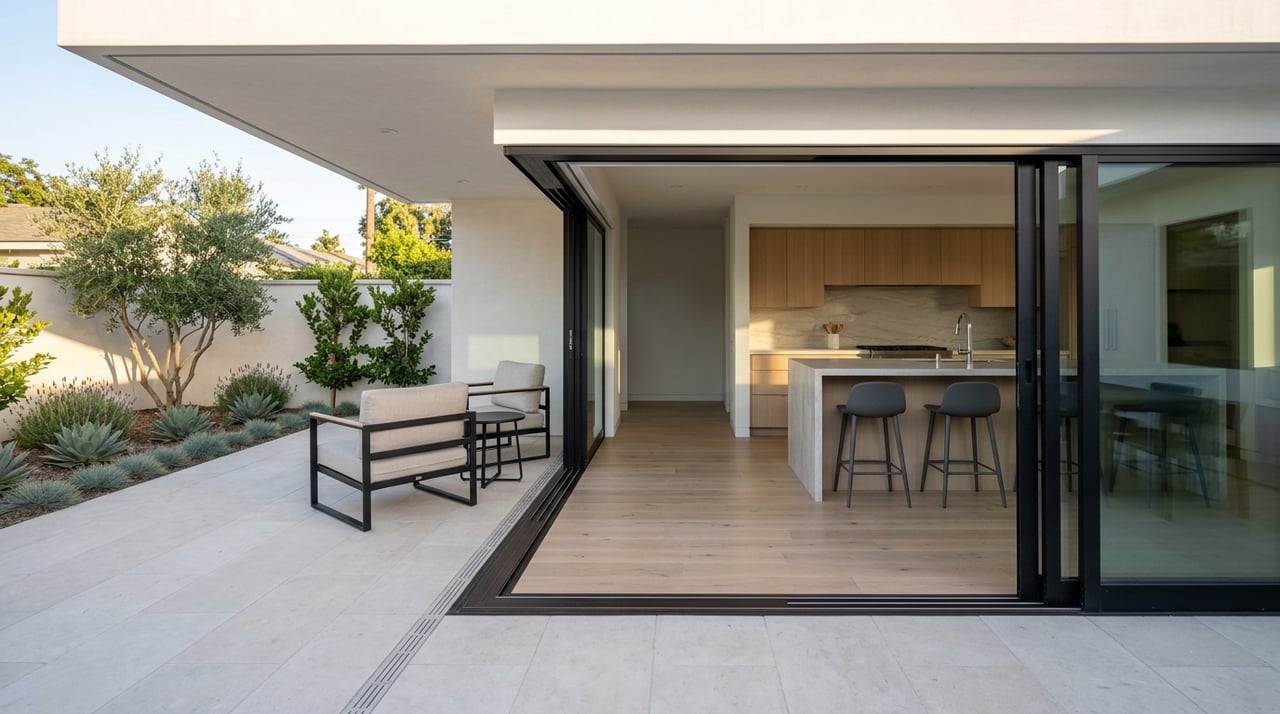
In practice, choices like roofline, window rhythm, garage visibility, and landscape treatment shape first impressions. A Redwood City agent with construction and resale experience can help you make design decisions that support both city review and buyer appeal.
ADUs And SB 9 Can Expand Your Options
Not every opportunity in Redwood City is a full teardown. For some parcels, an ADU or SB 9 strategy may offer a better fit.
According to Redwood City’s ADU program information, detached ADUs require 4-foot side and rear setbacks. A one-bedroom ADU can be up to 850 square feet, and larger ADUs can be up to 1,000 square feet. The city also notes that ADUs under 750 square feet do not pay impact fees, and new ADUs or JADUs cannot be used exclusively as short-term rentals.
Pre-Reviewed ADU Plans Can Help
Redwood City says it is launching a pre-reviewed ADU plan program tied to AB 1332, and that pre-review can reduce city permitting review timelines to 30 days. That can be helpful, especially for investors trying to simplify design and permitting.
Still, pre-reviewed does not mean fully automatic. Site-specific planning, utilities, foundation work, and local permitting still apply, so underwriting should include process costs as well as hard construction costs.
SB 9 May Create More Flexibility
The California Department of Housing and Community Development explains in its SB 9 fact sheet that qualifying projects in single-family zones must receive ministerial approval for up to two primary units. The state also notes that SB 9 can combine with ADU law to allow up to four units on lot area that typically held one single-family home, if the site qualifies.
That does not mean every parcel is a fit. Some sites are excluded, including certain historic and tenant-related situations. This is another area where an experienced local agent can help you screen opportunities before you spend money on plans.
Tenant Occupancy Can Change The Timeline
If the property is occupied, your timeline may be more complicated than expected. Redwood City’s Tenant Protection Ordinance, effective January 1, 2026, includes just-cause protections, relocation assistance, and notice requirements for certain no-fault terminations.
The city also treats a substantial remodel as work that requires a tenant to vacate for at least 30 days and involves permitted structural, electrical, plumbing, or mechanical work, or hazardous-material removal. For investors, that means tenant occupancy should be evaluated early, not after close.
Where Your Agent Adds The Most Value
Many investors think of the agent as the person who helps buy the property and later lists the finished home. In Redwood City, the best value often comes in the middle.
A well-positioned local agent can help you connect acquisition strategy, approval sequencing, design choices, and exit pricing into one plan. That is especially valuable in a market where timing, review thresholds, and neighborhood context can materially affect your net proceeds.
Before You Buy
Before acquisition, your agent should help you answer practical questions like:
- Is this parcel better for a remodel, teardown, ADU, or SB 9 strategy?
- Does the site appear likely to trigger architectural or commission review?
- Are slope, FAR, or parking requirements likely to constrain the plan?
- Does historic status need further review?
- Is the purchase price still workable after likely permitting and carrying costs?
During Planning And Construction
Once you own the site, sequencing becomes critical. You may need planner input early, an architectural permit before a building permit, and in some cases additional public review.
A construction-savvy agent can help keep the project aligned with market expectations while the design evolves. That includes helping you avoid overbuilding for the likely resale range or under-designing a product in a premium market.
At Resale
When the project is complete, pricing discipline matters. Redfin’s March 2026 data shows both a fast average market time and year-over-year price movement, which is a reminder to price from current comparable sales, not old assumptions from the start of construction.
That is where local launch strategy, presentation, and timing all come together. The right resale plan should reflect the current Redwood City market, the finished product’s design quality, and the buyer pool most likely to respond.
A Smarter Way To Approach Redwood City Investments
New construction investing in Redwood City can create strong opportunities, but it rewards careful planning more than guesswork. The parcel itself, the review path, the design approach, and the exit strategy all need to work together from day one.
If you want a partner who understands both the real estate side and the construction side of the process, Mariana Pappalardo can help you evaluate opportunities, pressure-test assumptions, and position your project for the strongest possible outcome.
FAQs
What should you check before buying a Redwood City new construction investment property?
- You should review zoning, historic status, setbacks, height, lot coverage, slope, parking requirements, and the likely city review path before you commit to the purchase.
What approvals may a Redwood City construction project need first?
- Depending on the project, you may need a zoning check, early planning input, a pre-application meeting, an Architectural Permit, Planning Commission review, and then a building permit.
What Redwood City rules can increase new construction costs?
- Costs can rise from fire sprinkler requirements, parking standards, architectural review, hillside requirements, and design changes needed to meet city standards.
How do Redwood City ADU rules affect an investment plan?
- ADU rules affect size, setbacks, fees, rental use, and permitting timelines, so they should be included in your budget and schedule from the start.
Can SB 9 work for a Redwood City investment property?
- SB 9 may create added flexibility on qualifying single-family parcels, but site eligibility, historic conditions, and tenant-related restrictions need to be screened carefully.
How does tenant occupancy affect a Redwood City remodel or redevelopment project?
- Tenant occupancy can add notice, relocation, and timing requirements under Redwood City’s local tenant protections, especially if the planned work qualifies as a substantial remodel.