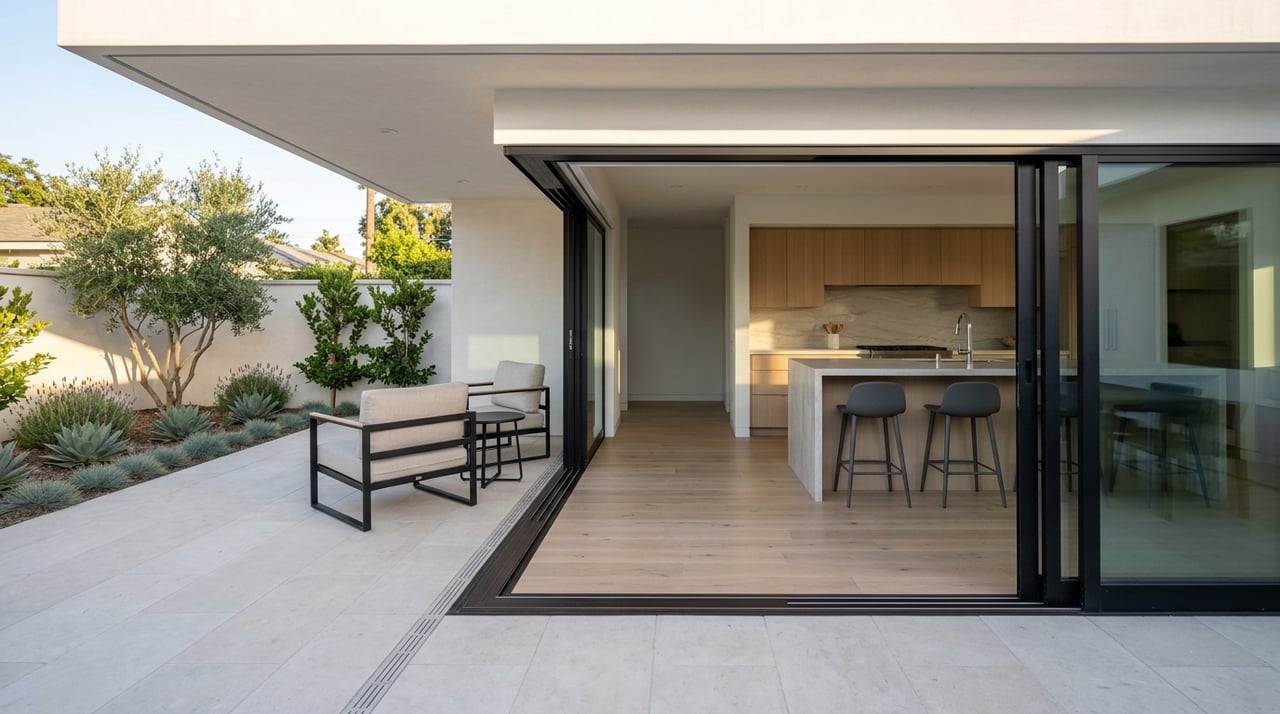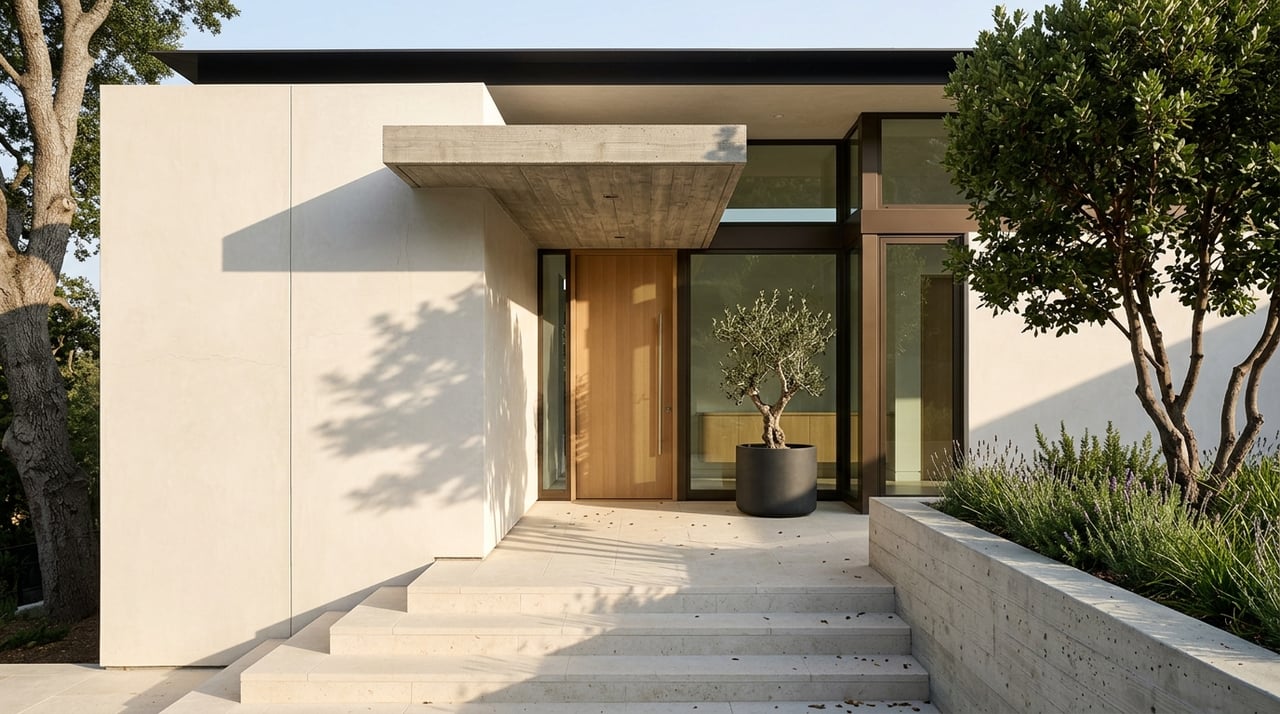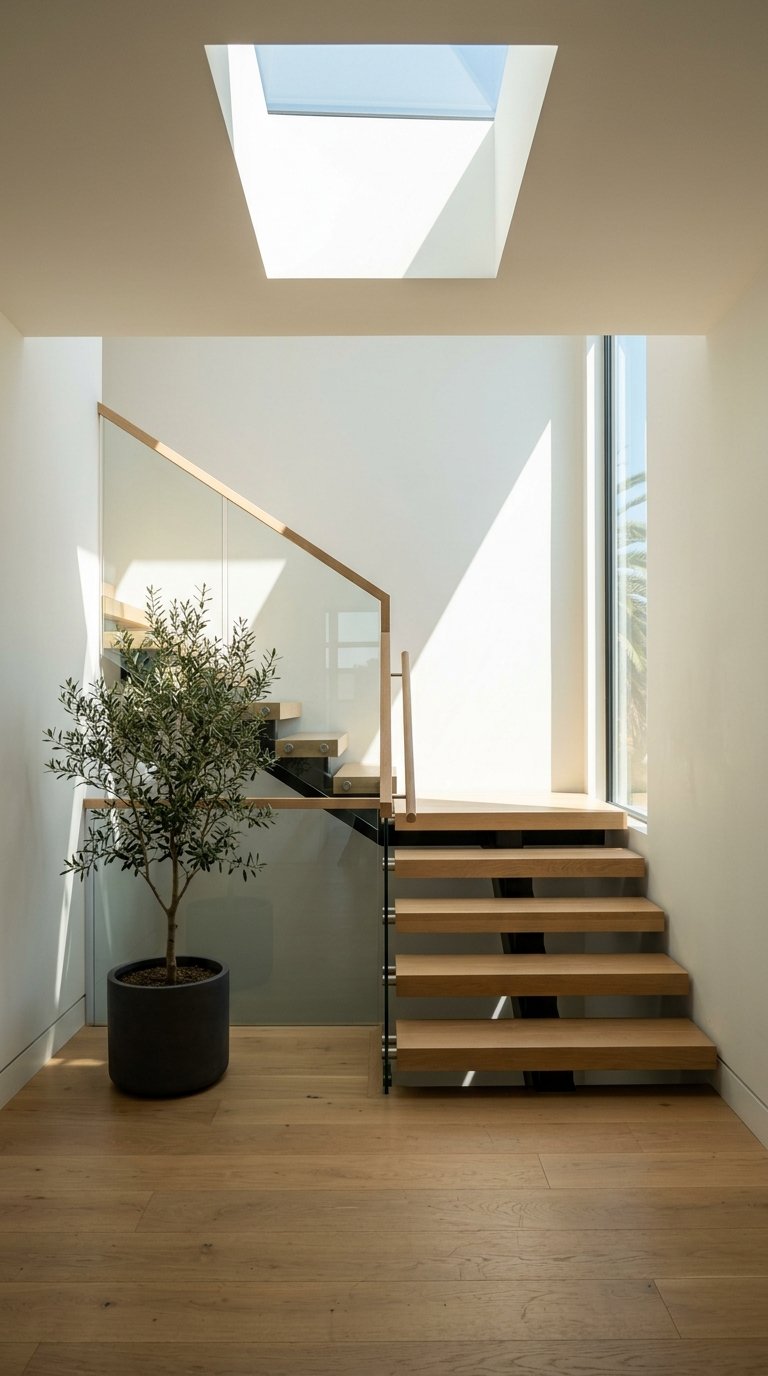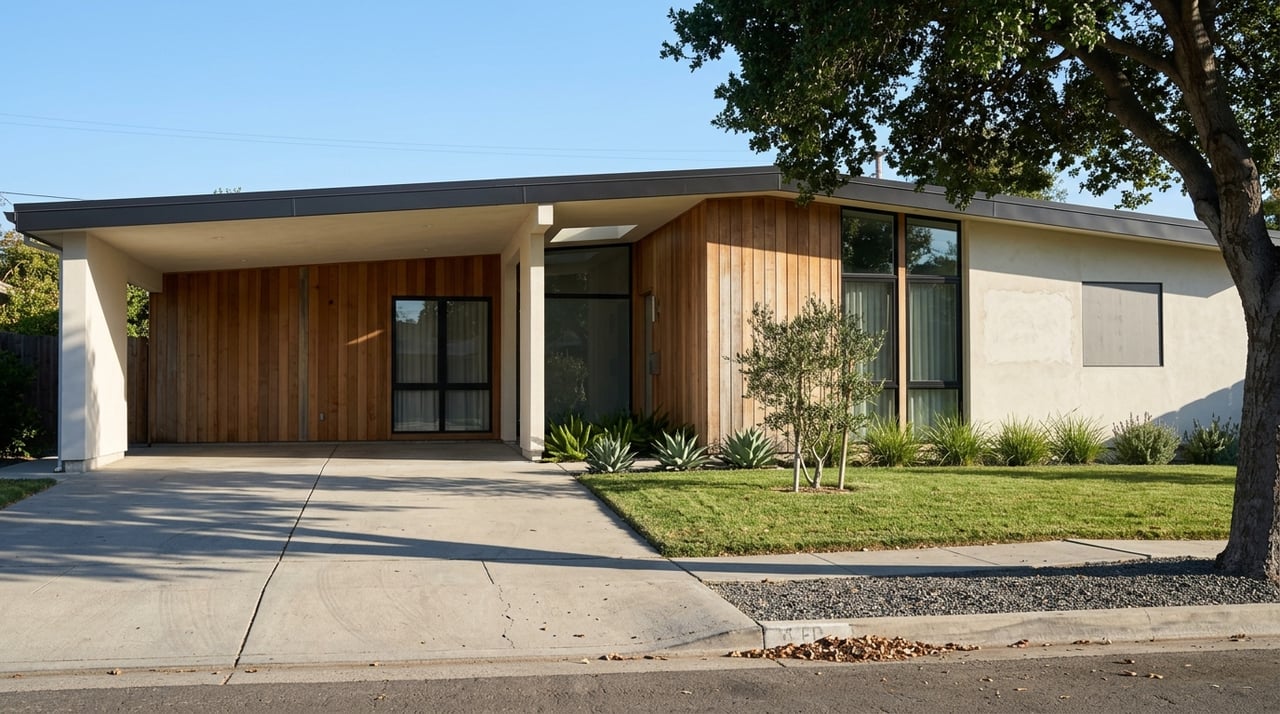
If you are eyeing a fixer-upper in Redwood City, you are not alone. In a market where homes move quickly and prices remain high, a property that needs work can look like a smart way to buy into the area or create value over time. The catch is that not every fixer is a deal, especially when timelines, permits, and neighborhood pricing can change the math fast. Here is how to evaluate a Redwood City fixer-upper with more clarity and less guesswork.
Why fixer-uppers stay popular
Redwood City remains highly competitive by almost any measure. Redfin reported a March 2026 median sale price of $1.931 million, a median of 12 days on market, and about five offers per home. Realtor.com’s April 2026 snapshot also showed a strong market, with a $1.70 million median listing price, a $2.179 million median sold price, 156 active listings, 22 median days on market, and a 102% sale-to-list ratio.
Those numbers vary by platform and timing, but the message is consistent. Homes still move quickly, and buyers are often willing to consider properties that need work if the pricing and upside make sense. In a market like this, fixer-uppers can attract attention because they may offer an entry point that feels more achievable than a fully renovated home.
Redwood City pricing is hyper-local
One of the biggest mistakes buyers make is using citywide averages to judge a fixer. In Redwood City, values can shift dramatically by ZIP code and even by micro-neighborhood. Realtor.com shows a wide spread, with median listing prices around $3.4 million in 94062, $1.7835 million in 94061, $1.349 million in 94063, and $1.299 million in 94065.
Neighborhood data tells a similar story. Redfin reported Sequoia homes selling in about 6 days and roughly 4% above list, while Woodside Plaza showed an 8-day median market time and a $2.56 million median sale price in March 2026. That means the right comp for a fixer is usually a recent nearby sale with the same property type, similar size, similar lot, and the same ZIP code.
Start with the right valuation question
When you evaluate a fixer-upper, the goal is not just to ask, “Can I improve this home?” The better question is, “Will the after-repair value justify the total cost and risk?” In Redwood City, that means looking beyond the purchase price and renovation budget.
A realistic evaluation should include:
- Purchase price
- Expected renovation cost
- Permit and application costs
- Possible local fees
- Carrying costs during the project
- Contingency budget for surprises
- Time risk tied to review and approval timelines
If the discount is not big enough to absorb all of those factors, the home may not be the opportunity it first appears to be.
Know the difference between cosmetic and permitted work
In Redwood City, the line between a simple refresh and a more involved remodel matters a lot. The city’s kitchen and bath remodel guidance says permits are required for any new or added building, electrical, plumbing, or mechanical work. Some lighter updates are exempt, such as cabinet refacing and replacing existing receptacles, switches, or cord-connected appliances in the same locations.
That distinction is important because layout changes can quickly trigger permit requirements. The city also asks for a written scope of work and existing and proposed floor plans showing cabinet, receptacle, light fixture, and appliance locations for kitchen and bath remodels. In practical terms, keeping the same layout is often much simpler to evaluate than moving walls, reworking plumbing, or changing electrical plans.
Cosmetic updates are easier to underwrite
If a home mainly needs paint, finish updates, flooring, or a restrained kitchen or bath refresh, your path is usually easier to map. Smaller, targeted projects also tend to have a cleaner resale story than a full custom overhaul.
The 2025 Remodeling Impact Report found that smaller or more focused projects often perform better at resale than major gut renovations. Reported cost recovery figures included 100% for a new steel front door, 83% for a closet renovation, 80% for a new fiberglass front door, 74% for new vinyl windows, 71% for new wood windows, 60% for a complete kitchen renovation, 60% for a minor kitchen upgrade, 56% for a bathroom addition, 54% for a new primary suite, and 50% for a bathroom renovation.
That does not mean large remodels never make sense. It does mean you should be careful about paying too much for work the market may not fully reward later.
Permit-heavy projects carry more uncertainty
The risk profile changes when a fixer needs more than surface-level work. Redwood City offers a 30-minute One Stop Plan Review for minor residential remodels, but that option does not apply to additions, occupancy changes, or projects above $170,466 in valuation, including permit valuations in the prior three years.
For larger projects, the Architectural Permit path may apply. Redwood City notes that all new two-story homes and second-story additions require it, and homes over 3,000 square feet, over 0.45 FAR, on a hillside, or in historic contexts may require additional review or a public hearing. If your fixer involves expansion rather than refresh, your timeline and approval risk can rise quickly.
Older homes can come with extra review
Many fixer-uppers in Redwood City are older homes, and age alone can add complexity. The city advises checking whether a property is a historic resource or located in a historic district. If the house is more than 50 years old, planners may request a historic report.
That does not automatically make the project a bad idea. It does mean you should factor in another possible layer of review before assuming your renovation plan is straightforward.
Build timelines into your math
In a fast sales market, time can be just as important as construction cost. Redwood City accepts permit and plan applications electronically, and the city states that review times can range from 6 to 24 weeks depending on the scope of the project. The permit submittal page also says responses after upload can take up to 5 business days, and One Stop appointments are virtual.
That timeline matters because your project clock starts well before the first day of demolition. If you are carrying a mortgage, taxes, insurance, and utilities while waiting on approvals, the delay can materially affect your budget. In some cases, a move-in-ready home may be the lower-risk financial decision even if the purchase price is higher.
Watch for local costs buyers overlook
Renovation budgets often miss city-specific requirements. Redwood City requires construction debris to be handled through an approved debris management company, with at least 65% of debris recycled and documentation due within 90 days of final inspection.
There can also be related upgrade requirements once walls or ceilings are opened. The city’s kitchen and bath guidance notes that life-safety items such as smoke and carbon monoxide alarms can come into play during remodels. These are not always the line items buyers think about first, but they still affect the final budget.
Larger additions can trigger extra fees
If your plan includes adding substantial square footage, there may be another cost to include. Redwood City notes that residential additions greater than 500 square feet can trigger school impact fees, and payment is required before a permit can be issued.
This is a good example of why broad renovation estimates are not enough. A property that looks attractive on a simple cost-per-square-foot basis may become much less compelling once local fees and permit conditions are layered in.
A practical way to judge the opportunity
Before you move forward on a fixer, try to sort the home into one of two broad categories.
Category one: restrained improvement
These homes usually need cosmetic updates or a modest kitchen or bath refresh without major layout changes. They are often easier to price, easier to schedule, and easier to compare against nearby renovated sales.
This type of project may be attractive if:
- The home is clearly discounted versus nearby updated sales
- The scope is mostly finish-driven
- The likely permit path is limited or manageable
- The resale ceiling in that immediate area supports the investment
Category two: major transformation
These homes may need structural changes, additions, second-story work, large reconfigurations, or review tied to age, size, or site conditions. They can still work, but they demand a much larger margin for error.
This type of project deserves extra caution if:
- The plan depends on expanding square footage
- The house is over 50 years old and may need added review
- The valuation relies on ambitious future pricing rather than proven nearby sales
- The budget leaves little room for delays, fees, or scope creep
When a move-in-ready home may be smarter
A fixer-upper is not automatically the best path just because inventory is competitive. If the home needs major layout changes, second-story work, or a large addition, the hidden costs may outweigh the appeal of the lower entry price.
In Redwood City, where homes can sell in roughly 12 to 22 days depending on the data source and where neighborhood pricing can vary sharply, buying a home that is already well-positioned can reduce both financial and emotional risk. For many buyers, especially those balancing work, family, or a relocation timeline, certainty has real value.
Why local guidance matters
The best fixer decisions are rarely made from listing photos alone. They come from understanding the neighborhood comp set, identifying the true renovation scope, and recognizing when a project crosses from simple improvement into permit-heavy territory.
That is where local experience becomes especially useful. In a market as nuanced as Redwood City, the right strategy is not just finding a home with potential. It is knowing whether that potential is realistic, properly priced, and aligned with your timeline.
If you are weighing a fixer-upper in Redwood City or deciding whether a move-in-ready option makes more sense, Mariana Pappalardo can help you evaluate the numbers, renovation scope, and market strategy with a clear local lens.
FAQs
What counts as a fixer-upper in Redwood City?
- In Redwood City, a fixer-upper can range from a home that needs mostly cosmetic updates to one that requires permitted kitchen, bath, electrical, plumbing, mechanical, or structural work.
Do Redwood City kitchen and bath remodels need permits?
- Redwood City requires permits for new or added building, electrical, plumbing, or mechanical work, while some like-for-like cosmetic items may be exempt.
How long do Redwood City permits take?
- Redwood City states that review times can range from 6 to 24 weeks depending on project scope, so timing should be part of your budget from day one.
Are fixer-upper values the same across Redwood City neighborhoods?
- No, Redwood City pricing varies widely by ZIP code and neighborhood, so the most reliable comps are recent nearby sales with similar property type, size, and features.
Can older Redwood City homes face extra review?
- Yes, if a home is more than 50 years old, the city may request a historic report, and properties in historic contexts may need added review.
When is a move-in-ready home better than a fixer-upper in Redwood City?
- A move-in-ready home may be the better choice when a fixer needs major layout changes, additions, second-story work, or other improvements that add permitting, time, and budget risk.