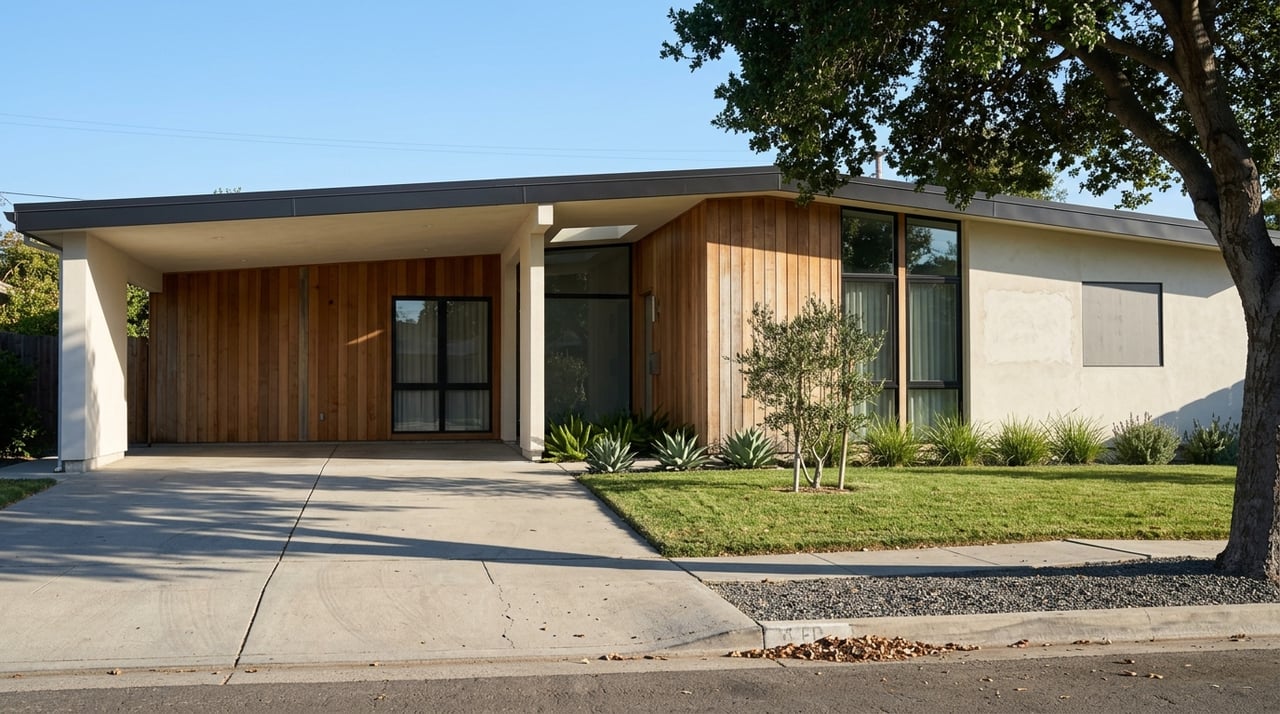
Are you wondering whether it makes sense to renovate before you sell in Redwood City? In a market where homes can go pending in about 11 to 12 days and many sales close above list price, the right updates can help you stand out fast, while the wrong ones can waste time and money. If you want to improve your home’s first impression, attract stronger offers, and avoid over-improving, this practical playbook will help you focus on what matters most. Let’s dive in.
Why strategy matters in Redwood City
Redwood City is moving quickly. Recent market data shows homes receive about five offers on average, with a median sale price around $1.931 million and a median sale-to-list ratio of 1.029. Zillow also reports that 61.8% of March 2026 sales closed above list price.
That speed changes how you should think about renovations. In this kind of market, your goal is usually not to build the biggest project possible. It is to remove buyer hesitation, sharpen presentation, and make your home feel cared for and move-in ready.
Because home values are high, even meaningful prep budgets are often relatively small compared to the total asset value. A $30,000 minor kitchen remodel is only about 1.58% of a roughly $1.895 million home value, and even a $100,000 project is about 5.28%. That is why focused, visible improvements can have an outsized effect.
Start with buyer-facing updates
If you are renovating to sell, prioritize the projects buyers notice immediately in photos, at the front door, and during the first walk-through. Bay Area Cost vs. Value data strongly favor lower-scope, high-visibility work over major additions.
The best returns tend to come from curb appeal, entry improvements, and selective interior refreshes. These projects help your home look current and well maintained without locking you into a large redesign that may not fully pay you back.
High-impact projects to consider
Based on Bay Area proxy data, these projects stand out for resale:
- Garage door replacement: Strong recoup rates, with San Francisco-area data showing 273.7% cost recouped
- Steel entry door replacement: Another strong curb-appeal update, with 240.2% recoup in San Francisco-area data
- Manufactured stone veneer: High visual impact, with 266.3% recoup in San Francisco-area data
- Minor kitchen remodel: Often one of the best interior value plays, with 139.6% recoup in San Francisco-area data
- Fiber-cement siding replacement: Useful when exterior condition affects first impression, with 139.2% recoup in San Francisco-area data
- Midrange bath remodel: Can work when a bathroom feels dated or worn, with 110.2% recoup in San Francisco-area data
- Wood deck addition: A possible value-add when outdoor living space needs a lift, with 116.2% recoup in San Francisco-area data
These numbers point to a simple truth: buyers respond to what they can see and use right away. A crisp exterior, a polished entry, and a fresh kitchen often do more for marketability than a larger but less strategic construction project.
Focus on the projects that remove friction
In Redwood City, speed matters. If buyers are making decisions quickly, visible deferred maintenance can become a problem fast.
That means your renovation plan should start with anything that creates doubt. Peeling paint, worn floors, dated lighting, tired hardware, stained surfaces, or an entry that feels neglected can all pull attention away from the home’s strengths.
A smart pre-sale scope often includes:
- Interior and exterior paint
- Floor repair or replacement
- Deep cleaning and decluttering
- Landscaping and curb appeal work
- Staging
- Cosmetic kitchen improvements
- Targeted bathroom updates
- Minor repair items that affect confidence
This kind of restrained prep aligns with both the market data and what staging research shows. According to NAR’s 2025 Profile of Home Staging, 49% of sellers’ agents saw faster sales when homes were staged, and 29% said staging led to a 1% to 10% increase in value offered.
Rooms that deserve the most attention
If you need to prioritize, focus first on the spaces buyers judge most closely. NAR reports that the living room, primary bedroom, and kitchen are the most important rooms to stage.
That fits what many sellers already suspect. Buyers tend to form opinions quickly based on the spaces where they imagine daily life happening. If those rooms feel clean, bright, current, and well scaled, the rest of the home often benefits.
Avoid over-improving before you list
Not every renovation is a smart pre-sale renovation. Some projects may still be worth doing, but only when they solve a clear problem or bring the home into line with comparable properties.
Bay Area Cost vs. Value data show that major kitchen remodels, upscale kitchens, primary suite additions, and bathroom additions recoup much less of their cost. For example, a major kitchen remodel recoups 76.5% in San Francisco-area data, while an upscale kitchen recoups 62.2%.
Primary suite and bathroom additions are even harder to justify as pure resale plays. Midrange primary suite additions show 64% recoup, and midrange bathroom additions show 53.9% in San Francisco-area data.
Projects to treat carefully
Use extra caution with:
- Major kitchen remodels
- Upscale kitchen overhauls
- Primary suite additions
- Bathroom additions
- Larger expansion projects
- Functional upgrades that buyers may not value fully unless they solve a visible issue
Other useful but less compelling resale projects include composite decks, vinyl siding, vinyl windows, and HVAC electrification. These can still make sense if they fix an obvious deficiency, but they should not automatically be viewed as profit centers.
Match the scope to your price band
The most effective renovate-then-sell strategy is tied to your likely buyer pool and comp set. Before you approve any work, it helps to identify the price band your home should compete in based on condition, location, and recent comparable sales.
From there, the question becomes practical: what improvements are necessary to help your home show well in that group? Sometimes the answer is a fresh paint palette, lighting, landscaping, and staging. Other times, it is a modest kitchen refresh or bath update that helps the home feel consistent with nearby listings.
This is where discipline matters. If the work does not clearly improve first impression, buyer confidence, or offer activity, it may not belong in a pre-sale plan.
Plan around Redwood City permits
Timing is one of the biggest parts of the equation in Redwood City. The city offers online permit services and one-stop appointments, and it states that the first step is to consult a permit technician or the planner-on-duty.
Redwood City also states that any construction, enlargement, alteration, repair, demolition, or replacement of electrical, gas, mechanical, or plumbing systems requires a permit. That means even seemingly straightforward work can trigger review, depending on scope.
For larger residential remodels, the city’s April 2026 requirements note that a second-story addition or second-story remodel with exterior modifications needs an Architectural Permit before a building permit application is submitted. The planning materials also reference neighbor notification, historic review, and tree permits, which means visible exterior changes may involve more than building review alone.
A practical timing sequence
If you are preparing to sell, this is the safest order of operations:
- Confirm your likely price band and comparable set
- Identify which updates are truly needed to compete
- Check whether the proposed work needs planning or building review
- Limit the scope to visible, buyer-facing improvements
- Complete staging right after the work is done
- Photograph and launch while the home is at peak presentation
In a market with short days on market, delaying the listing for an oversized renovation can be costly. A tighter, well-managed prep timeline is often the better move.
Use financing strategically, not automatically
If cash flow is the main reason you would delay pre-sale improvements, a concierge-style program may help. Compass Concierge is designed to front the cost of eligible home-improvement services with zero due until closing.
According to Compass, repayment occurs when the home sells, when the listing agreement ends, or after 12 months from the start date. Compass also notes that fees or interest may apply depending on the state.
Eligible services include:
- Staging
- Deep cleaning
- Decluttering
- Cosmetic renovations
- Landscaping
- Interior and exterior painting
- Floor repair
- Carpet cleaning or replacement
- Kitchen improvements
- Bathroom improvements
- Roofing repair
- HVAC work
- Plumbing repair
- Electrical work
- Pest control
- Moving and storage
- Seller-side inspections
The key is to use this kind of program for quick, high-visibility prep that supports your sale strategy. It is usually most effective when it helps you move faster and present better, not when it encourages a larger project than the market supports.
A simple Redwood City seller playbook
If you want a practical framework, keep it simple. In Redwood City, the strongest pre-sale renovation plans are usually the ones that improve appearance, reduce objections, and preserve momentum.
A smart playbook often looks like this:
- Refresh curb appeal first
- Repair anything that signals neglect
- Paint, clean, declutter, and improve lighting
- Update floors or surfaces that feel worn
- Consider a minor kitchen or bath refresh if those rooms feel dated
- Stage the living room, primary bedroom, and kitchen
- Avoid major additions unless they are necessary to stay competitive
- Keep permit and scheduling risk in mind from day one
This approach fits the data. It also fits how buyers actually experience homes online and in person.
If you are weighing whether to renovate before selling in Redwood City, the best answer is usually not “do more.” It is “do the right things in the right order.” With a clear pricing strategy, disciplined scope, and strong execution, you can improve presentation and protect your net proceeds without taking on unnecessary work.
If you want expert help deciding what to update, how much to spend, and how to time your launch, Mariana Pappalardo can help you create a design-forward, ROI-focused plan tailored to your home.
FAQs
What renovations add the most value before selling a home in Redwood City?
- In Redwood City, the most promising pre-sale updates are usually visible, lower-scope improvements like garage door replacement, entry door replacement, curb appeal work, minor kitchen remodeling, selective bath updates, paint, flooring, and staging.
Should you do a major remodel before selling a Redwood City house?
- Usually, a major remodel is not the first choice for a Redwood City pre-sale strategy unless it solves a clear competitive problem, because Bay Area data show lower recoup rates for major kitchens, upscale kitchens, and addition-heavy projects.
Do you need permits for renovation work before selling in Redwood City?
- Redwood City states that construction, enlargement, alteration, repair, demolition, or replacement of electrical, gas, mechanical, or plumbing systems requires a permit, so it is important to confirm requirements with the city before starting work.
Is staging worth it when selling a home in Redwood City?
- Staging can be worthwhile because NAR’s 2025 staging data found that many sellers’ agents saw faster sales, and some reported a 1% to 10% increase in value offered, especially when key rooms were staged.
How fast do homes sell in Redwood City right now?
- Current market data in the research provided show median days to pending around 11 and homes selling in about 12 days on average, which is why timing and presentation are so important.
Can Compass Concierge help pay for pre-sale improvements in Redwood City?
- Compass Concierge may help cover eligible pre-sale services such as staging, painting, landscaping, cosmetic renovations, and repairs, with repayment generally due at closing, when the listing ends, or after 12 months, subject to state-specific terms.