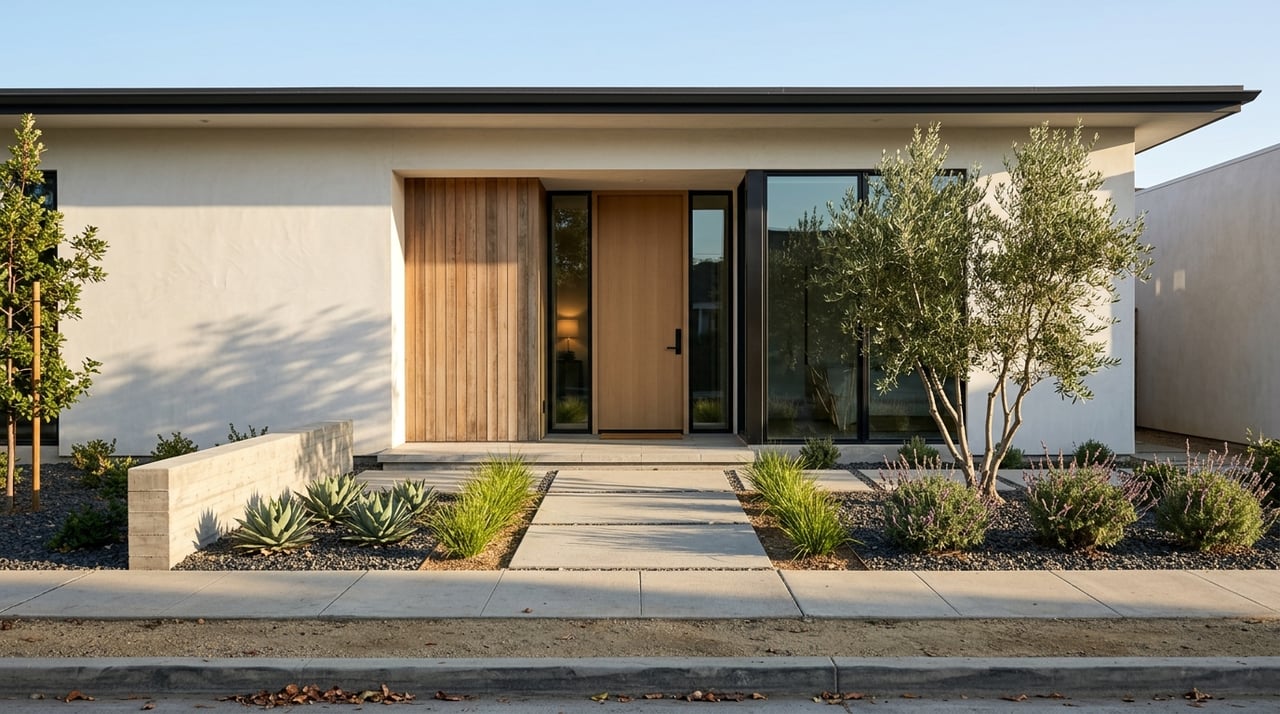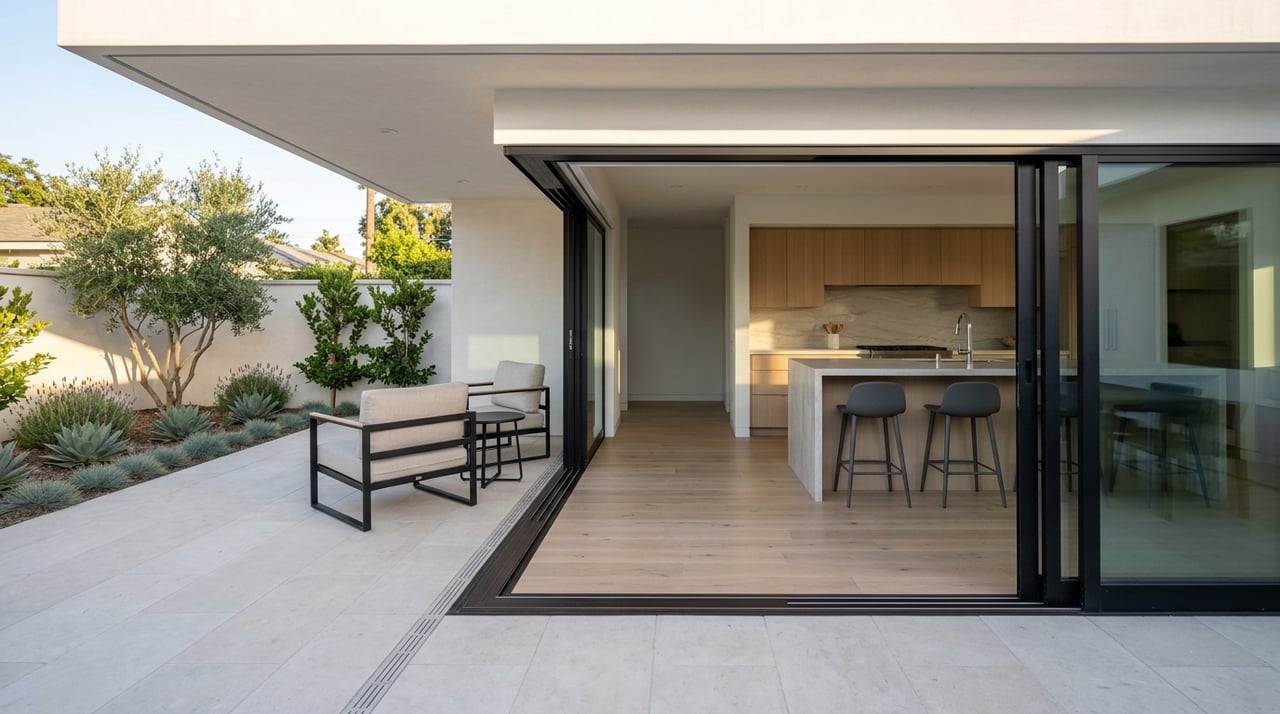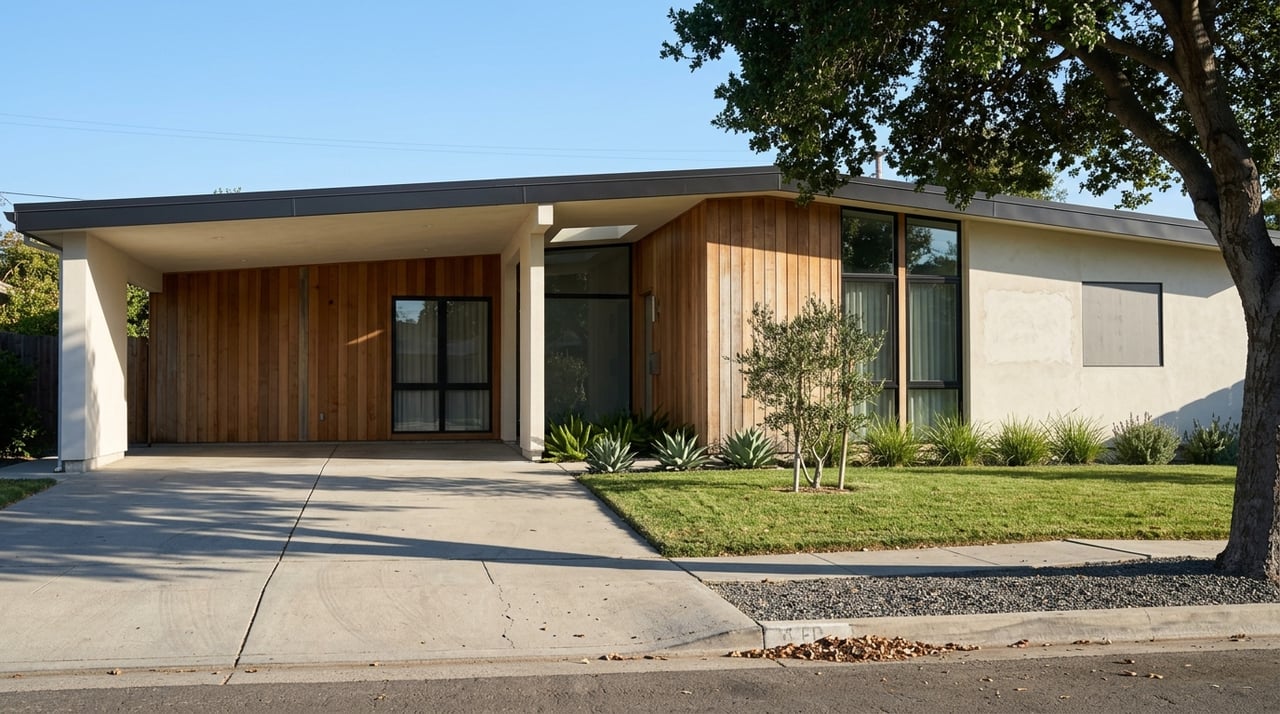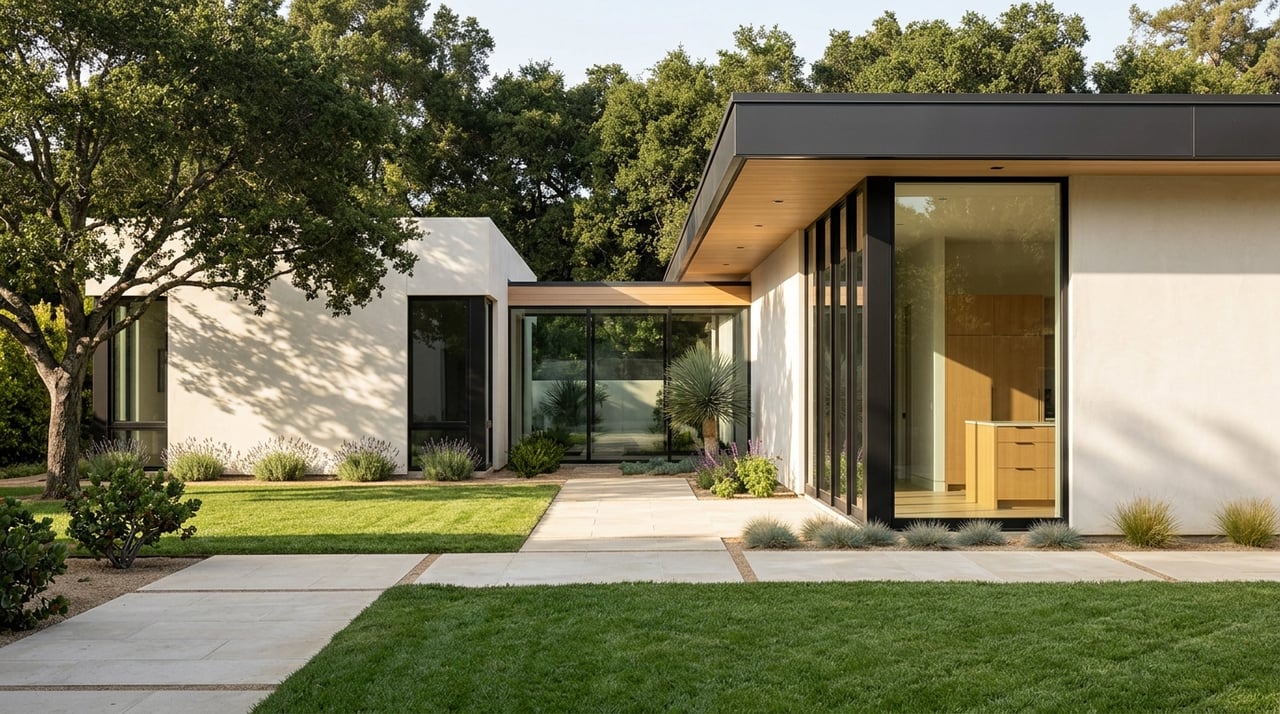
Thinking about building a custom home or expanding your current one in Portola Valley? It is exciting to imagine the finished result, but here, the process usually starts long before you finalize a floor plan. If you want fewer surprises, better design decisions, and a smoother path through approvals, it helps to understand how Portola Valley evaluates a site and a project from the beginning. Let’s dive in.
Start With the Lot
In Portola Valley, the lot itself often shapes the project more than your initial sketch does. Town guidance points owners and design teams to study soils and geology, drainage and water features, topography, existing vegetation, views from and to the site, and the relationship to adjoining parcels early in the process.
That means the smartest first step is not picking finishes or square footage. It is understanding what the property can realistically support, where the constraints are, and how those conditions may affect design, cost, and timeline.
Site Conditions Matter Early
Portola Valley makes site-specific due diligence especially important. The town provides resources such as geologic and ground-movement maps, a slope map, and a fire-hazard severity map, all of which can influence how a project is planned.
If your parcel has steep slopes, sensitive terrain, drainage issues, or notable vegetation, those factors may shape everything from the home’s footprint to driveway layout. In some cases, the town’s review standards allow decision-makers to require reductions in floor area, impervious surface, or height, and they can also increase setbacks when a project calls for it.
Why Floor Plans Change
Many homeowners begin with a vision for size and layout, then adjust later when they learn more about the land. In Portola Valley, that is normal.
Local site-development criteria emphasize minimizing disturbance to natural terrain, preserving vegetation, protecting privacy, managing lighting impacts, carefully handling drainage and erosion, and using materials and colors that fit the rural setting. The town’s design guidance also discourages siting on ridgelines or hilltops and encourages rooflines below the tree canopy.
Know the Approval Path
A major build or expansion in Portola Valley is not usually a one-permit process. Instead, you should expect several layers of review, each with its own requirements and timing.
For significant residential work, the typical path includes Architectural and Site Control Commission review, site-development review, and building permits. If the property has septic or a private well, San Mateo County Environmental Health may also need to review sewage disposal and potable water supply adequacy before permits can be finalized.
ASCC Review Is Part of Design
Portola Valley’s Architectural and Site Control Commission, or ASCC, is the town’s design review board. The town frames this review as part of the design process, not just a final checkbox.
Applicants are told to expect public comments, neighborhood input, and the possibility of revisions, conditions, or continuances. In practical terms, that means your plans may evolve as they move through review.
Story Poles Add Time
For new residences, story poles are required as part of ASCC review. The poles must be in place at least 10 days before the hearing and remain up through the appeal period.
Even for a relatively straightforward custom home, this creates a built-in visual review period before construction can begin. It is one reason why Portola Valley projects should be planned in months, not weeks.
Permit Packages Can Be Combined
If your project includes grading, driveway construction, or vegetation removal, the building permit and site development permit applications can be combined. Even then, the submittal still needs substantial documentation.
Depending on the scope, that may include a civil-engineered plot plan, drainage information, tree locations, and soils or geology documentation where required. Larger additions and new homes may also need Title 24 energy calculations, a geotechnical report, a WUI checklist, dark-sky lighting information, and proof that ASCC conditions are reflected in the plans.
Plan for Septic and Well Review
If your property is served by septic or a private well, identify that issue early. San Mateo County Health requires separate review of sewage disposal and potable water supply adequacy in those cases.
The county notes that this review can add months and significant cost, making it one of the biggest schedule risks for some properties. If septic or well review applies to your parcel, it is wise to treat that as a front-end planning item, not an afterthought.
Build the Right Team Early
Portola Valley’s guidance recommends working with professionals who understand hilly terrain and complex geology. It also encourages early meetings with town staff and close coordination among site plans, landscape plans, and civil engineering plans.
For a custom home or major expansion, that often means bringing in your architect, civil engineer, geotechnical consultant, landscape architect, and builder earlier than you might in a flatter or less regulated setting. The more coordinated the team is from the start, the fewer disconnects you are likely to face later.
A Practical Planning Sequence
A useful way to think about the process is to break it into stages:
- Feasibility and site due diligence
- Schematic design
- ASCC and site-development review
- Building permit plan check
- Construction
The town does not publish one fixed end-to-end timeline in the materials reviewed, but the approval layers and potential septic-related reviews make a longer pre-construction window realistic. For most owners, the key takeaway is simple: build extra time into your expectations.
Design Choices That Support Approval
In Portola Valley, design is closely tied to the land. Projects that respond to the site tend to align more naturally with local review standards.
That usually means reducing visible disturbance, preserving trees and terrain where possible, respecting privacy, and avoiding massing that feels visually dominant. Materials and colors that blend with the landscape are also consistent with local guidance.
What Reviewers Look For
While every parcel is different, local criteria consistently point in a few directions. A design may be better positioned when it:
- Minimizes grading and terrain disruption
- Preserves existing vegetation where feasible
- Handles drainage and erosion carefully
- Limits lighting impacts
- Uses forms, colors, and materials that fit the rural setting
- Avoids prominent ridgeline or hilltop siting when possible
- Keeps rooflines below the tree canopy where appropriate
These are not just aesthetic preferences. They are part of how the town evaluates whether a project fits its surroundings.
Wildfire Is Part of the Planning Context
Wildfire preparedness is also part of the local planning environment. Portola Valley’s wildfire resources highlight its relationship with Woodside Fire Protection District and note that limited roadways can be an evacuation challenge.
The town’s planning resources also link to a CAL FIRE fire-hazard map, and permit checklists may require WUI-related documentation. For many projects, that makes defensible space, access, and ignition-resistance part of the conversation early in design.
Think About Resale While You Plan
Even if you are building for yourself, it is smart to think about future marketability. In a premium market like Portola Valley, current listing data from Realtor.com shows a median listing price of $4.59 million, with 27 homes for sale and about 32 days on market in March 2026.
In that kind of market, thoughtful design still matters, but so does restraint. Homes that feel site-specific, durable, and well integrated with the lot and landscape are likely to read as higher quality to both reviewers and future buyers.
What Tends to Age Well
Some projects pursue highly personal design choices that may or may not appeal to the next owner. By contrast, homes that preserve privacy, reduce visual impact, and feel naturally connected to the setting often have broader long-term appeal.
That does not mean a home should feel generic. It means the strongest custom projects in Portola Valley often look like they belong exactly where they are.
How Mariana Ryd + Co. Can Help
If you are considering a custom home, a major expansion, or evaluating a property with future building potential, local context matters. The right strategy is not only about what you want to build, but also how the site, approvals, and long-term resale picture work together.
That is where a design-aware real estate perspective can add value. With a background that combines local market knowledge and construction insight, Mariana Pappalardo can help you think through site potential, planning considerations, and the resale implications of your decisions before you commit too far down one path.
FAQs
What should you study before finishing a custom home design in Portola Valley?
- Before schematic design is finalized, town guidance points to soils and geology, drainage and water features, topography, existing vegetation, views from and to the site, and the relationship to adjoining parcels.
What approvals are usually required for a major Portola Valley home project?
- For significant work, the typical process includes ASCC review, site-development review, and building permits, with possible additional county review if septic or private well issues apply.
How much extra time can septic review add in Portola Valley?
- San Mateo County Health says septic-related review can add months and significant cost, so it should be identified as early as possible.
What is the ASCC in Portola Valley?
- The ASCC is Portola Valley’s Architectural and Site Control Commission, which serves as the town’s design review board and may require revisions, conditions, or continuances during review.
Do new homes in Portola Valley require story poles?
- Yes. New residences require story poles for ASCC review, and the poles must be in place at least 10 days before the hearing and remain up through the appeal period.
What design choices can help with Portola Valley approvals and resale?
- Local criteria support designs that minimize terrain disturbance, preserve vegetation, manage drainage carefully, protect privacy, reduce lighting impacts, and use materials and forms that fit the rural landscape.