Thinking about selling your Atherton home in the next 1 to 3 years? In a market where buyers compare eight-figure estates by site, privacy and finishes, the right pre-sale improvements can shift first impressions and final offers. The wrong ones can waste time and money. In this guide, you’ll learn which projects typically deliver the strongest near-term return, what to skip, how Atherton’s permits and tree rules affect timing, and a clear plan to get market-ready with confidence. Let’s dive in.
Why Atherton needs a different plan
Atherton is an ultra-high-end, low-volume market where a handful of large sales can swing median figures. That means national ROI charts are helpful benchmarks, but you should rely on neighborhood comps in your price band and an agent’s local sold file to set scope and budget. Buyers at this tier judge properties by setting, privacy, turnkey readiness and overall design cohesion as much as individual fixtures or brands.
The takeaway is simple. Use data to guide decisions, but make it local. Let comparable sales at your price point confirm which finishes, outdoor features and kitchen/bath standards the market expects right now.
What actually returns value
National 2025 Cost vs Value data offers a clear pattern. High-visibility, moderate-cost exterior upgrades punch above their weight, while massive reconfigurations rarely return dollar-for-dollar in the short term. Treat the figures below as benchmarks that illustrate relative performance; Bay Area labor and materials can price higher, and Atherton comps determine the ceiling.
- Garage-door replacement: ~268% recoup
- Steel front/entry door: ~216% recoup
- Manufactured stone veneer: ~200%+ recoup
- Minor (midrange) kitchen remodel: ~113% recoup
- Fiber-cement siding: ~114% recoup
- Deck addition: ~89–95% recoup
- Midrange bath remodel: ~80% recoup
- ADU example: ~41% recoup
These figures come from the 2025 Cost vs Value report, which tracks typical project costs and resale recoup rates across the country. You can review the report’s ranking for context in the latest Cost vs Value analysis from the Journal of Light Construction. See Cost vs Value highlights.
NAR’s 2025 Remodeling Impact Report aligns with this: agents most often recommend painting, roofing, targeted kitchen and bath updates, and curb-appeal moves when selling. Staging and presentation routinely influence buyer interest and negotiation. Explore NAR’s 2025 findings.
Curb appeal that sells day one
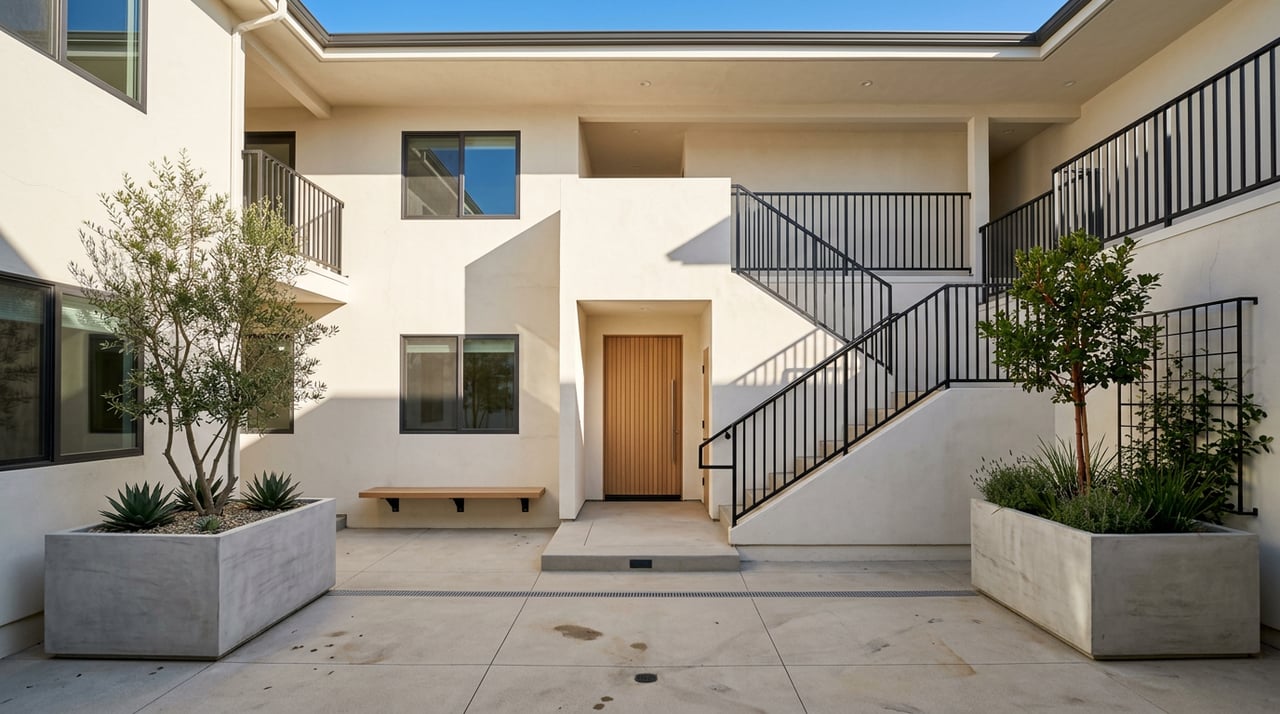
If you do only a few things, focus here. A fresh garage door, a steel front door, crisp exterior paint, clean hardscape and professional landscaping change the way the entire property reads on arrival. These items typically require shorter timelines, carry less permitting friction, and create strong visual impact at showings. In Atherton, where land and approach matter, curb appeal upgrades can help justify premium pricing when executed to the level of neighboring estates. Cost vs Value data consistently places these projects near the top for recoup rates. Review the 2025 rankings.
Kitchen strategy in a luxury price band
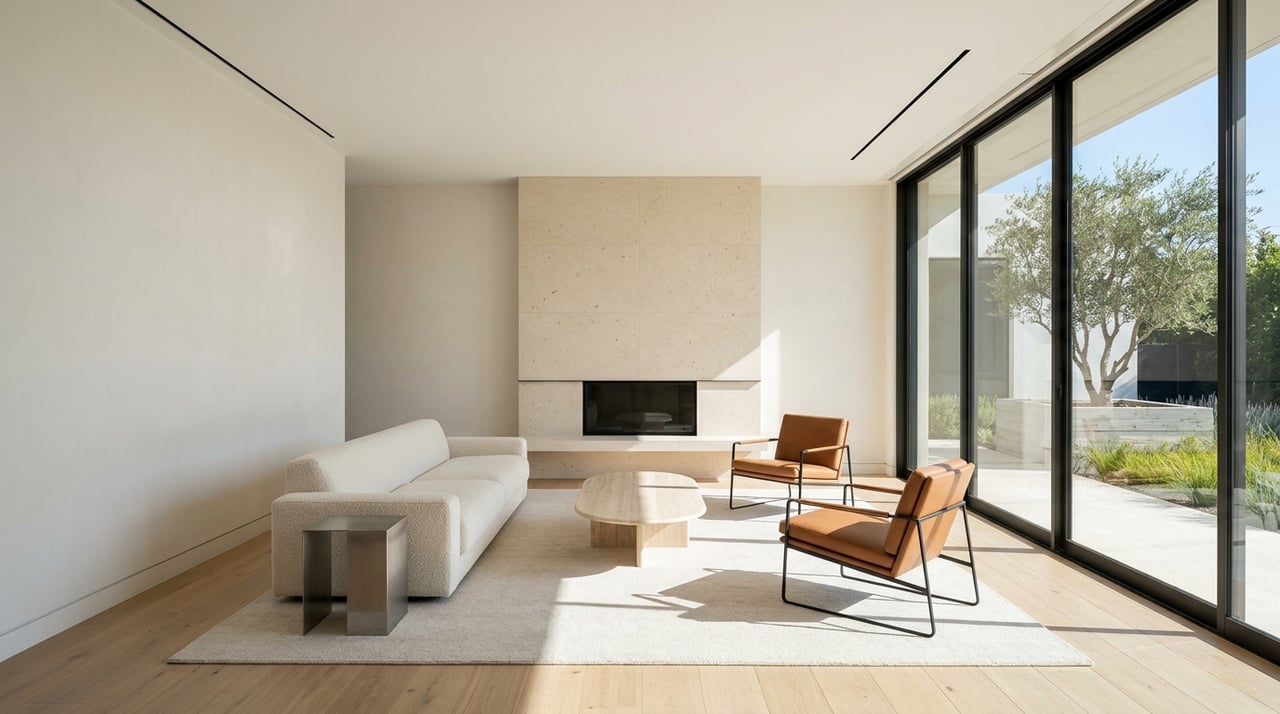
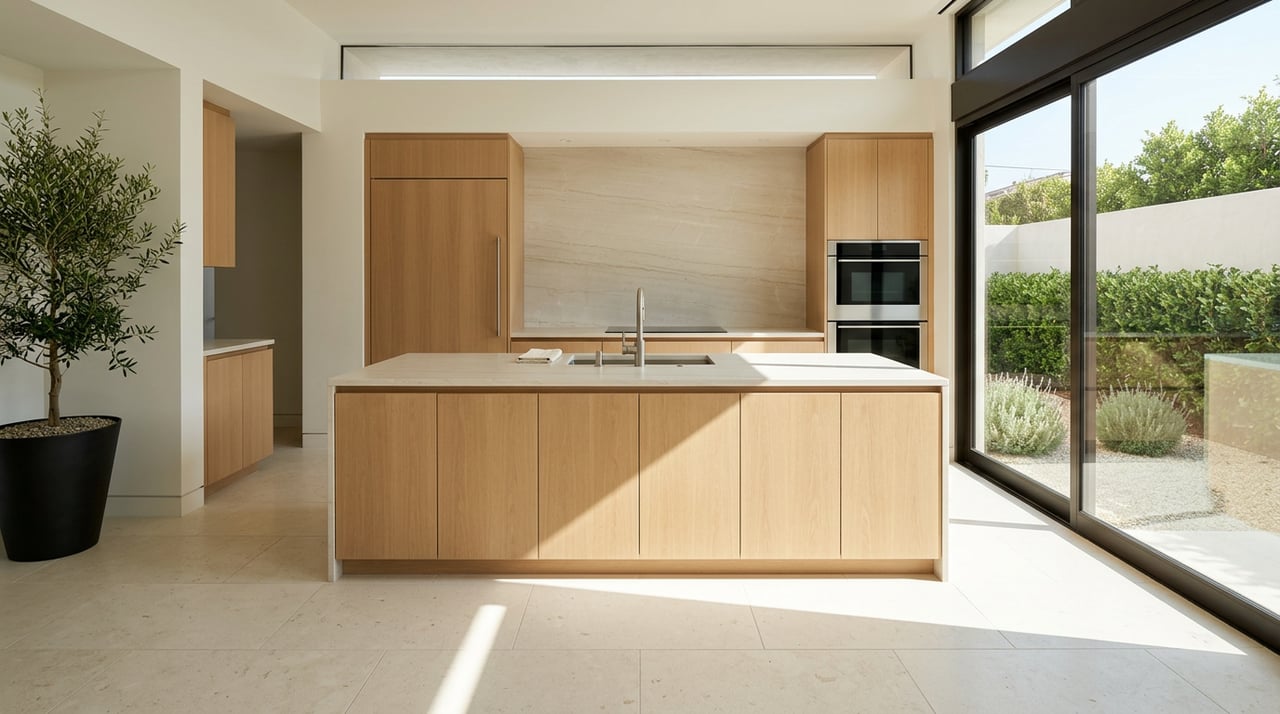
For a near-term sale, you usually want a high-quality cosmetic refresh rather than a full custom gut. Think cabinet refacing or painting, new doors and panels, premium but not bespoke countertops, updated fixtures and hardware, modern lighting and a right-sized appliance package. Nationally, a minor kitchen remodel recoups ~113%, while major upscale overhauls often recoup less. Use top local comps to decide whether a more extensive rework is truly necessary for your price tier.
Outdoor living that extends the house
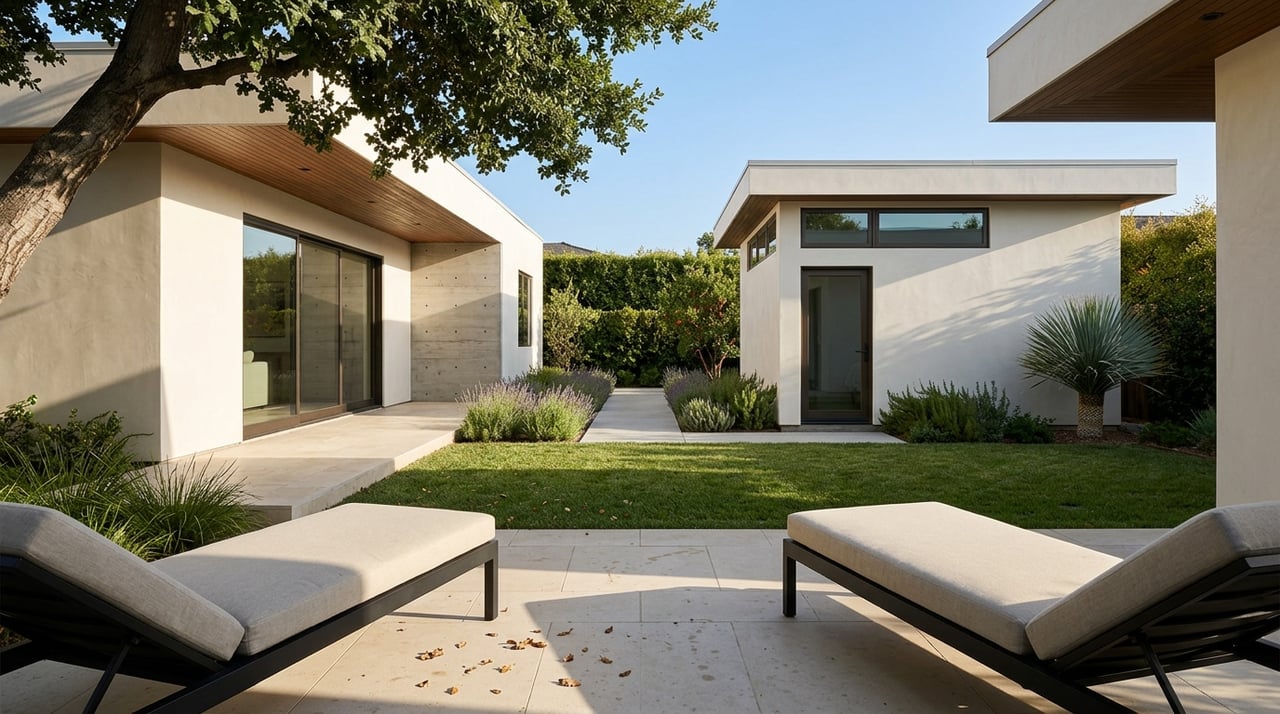
Atherton buyers put real value on usable outdoor rooms. Upgrading patio or deck surfaces, improving the covered lounge or dining area, and tightening the landscape plan so the yard reads as an extension of the architecture pays off in showing appeal. Deck projects typically post ~89–95% recoup nationally. Emphasize design cohesion over boutique features that serve only a niche taste.
If you want a quick gut check on buyer preferences, national surveys still point to updated kitchens, organized storage and outdoor living as top wants. See NAHB’s 2024 buyer preferences.
Projects to think twice about
Large additions and ADUs can change how a property lives, but they are slow, permit-intensive and usually recover less of the raw cost in a near-term resale. The national ADU example shows ~41% recoup. Consider such investments only if they clearly solve a documented gap versus comps in your price band, or they redefine highest-and-best use for your lot. Otherwise, your time and budget are better spent on visible quality, systems confidence and presentation. Check Cost vs Value’s project trends.
A step-by-step Atherton plan
Follow this sequence to minimize surprises and maximize impact.
Get a pre-listing inspection and a local CMA. Identify safety and structural deal breakers early, like roof leaks, major electrical or plumbing issues, visible water intrusion or a failing sewer lateral. Tackle these before cosmetics so they do not derail buyer confidence or escrow. NAR’s report underscores this approach.
Do curb appeal first. Replace or refresh the garage door, upgrade the front door, repaint the exterior and tighten landscaping and hardscape. These items often produce the fastest visual return. Cost vs Value data supports their high recoup.
Refresh the kitchen and primary bath strategically. Opt for a high-end cosmetic update unless comps prove a full reconfiguration is necessary to compete.
Remove buyer objections around systems. Repair roofs where needed, service mechanicals, and ensure pool equipment and electrical panels are documented and functioning. REALTORS often recommend roofing and painting as pre-sale priorities. See NAR’s 2025 guidance.
Invest in outdoor living and privacy. Improve sightlines, add or refresh covered patios, and simplify the planting plan so the grounds feel intentional and low-maintenance.
Stage and photograph to a luxury standard. Professional staging and top-tier photography reduce time on market and strengthen offers. Schedule staging after the visible updates for a cohesive look. NAR highlights the value of staging.
Avoid over-improvement. Do not outbuild or over-customize beyond your comp set. The market values what buyers will pay, not what you spent. Use your CMA to test whether a proposed project truly pencils in your price band.
For homeowners planning to sell, NAR also recommends leveraging an agent’s guidance early to focus on the right scope for resale. Why agent input matters on remodeling decisions.
Permits, trees and timelines in Atherton
Atherton has specific rules that can shape scope and schedule. Plan for them upfront so you do not lose market timing.
Know the rules before you demo
Atherton’s zoning and development standards, including floor-area limits tied to large lots, affect additions and new structures. Always confirm what is allowed on your parcel before committing to a major expansion. You can review the town’s code section on development standards here: Atherton Municipal Code 17.60.020.
State energy and green-building standards may also apply to larger alterations and additions. Factor CALGreen and Title 24 requirements into early planning so designs and budgets align. Review CALGreen rulemaking context.
Permitting and submittals
Atherton uses an online portal for permit applications, reviews and contractor licensing. Build time for submittals, plan check and related approvals into your schedule, especially if the Menlo Park Fire District needs to review scope. Start here to understand the portal and workflows: How to use Atherton’s eTRAKiT portal. For fees, forms and checklists, bookmark the town’s central page: Permit applications, fees and forms.
Protect heritage trees
Tree protection is taken seriously, and work near heritage trees can trigger arborist procedures. Your construction plan and timeline should account for fencing, oversight and any required approvals. Learn more about the town’s expectations here: Arborist services and tree protection.
Typical timelines and budgets
- Cosmetic refresh: paint, floors, hardware and a minor kitchen refresh often complete in 2 to 8 weeks once under contract; many cosmetic items do not require permits.
- Midrange kitchen/bath: without moving walls, permit-requiring electrical or plumbing updates typically run 4 to 12 weeks, depending on contractor availability and review cycles.
- Additions or major exterior work: expect 3 to 9+ months for design, engineering, town review, permitting and construction.
Use national Cost vs Value job costs as a starting point, then obtain 2 to 3 local bids. In the Bay Area, expect higher pricing due to labor and specialty trades. Include a 15 to 25 percent contingency for luxury finishes and site conditions. Scan Cost vs Value for baseline costs.
Work with a renovation-savvy listing agent
The best outcomes come from pairing local market intelligence with construction know-how and premium marketing. You want an agent who can isolate the correct luxury peer group, recommend only the upgrades that move buyers in your band, line up vetted vendors and stage the property to an editorial standard. NAR explicitly encourages homeowners who plan to sell to seek an agent’s guidance on remodeling decisions. Here’s why that guidance matters.
If you prefer to keep cash free for your next move, pre-sale programs like Compass Concierge can front the cost of approved improvements and staging, then collect payment at closing. Review eligibility, caps and terms to decide if it fits your plan. Learn about Compass Concierge.
Your Atherton pre-sale checklist
- Order a seller’s inspection and a local CMA to define the right competitive set.
- Fix safety or structural issues before cosmetic updates.
- Execute curb-appeal upgrades: garage door, front door, exterior paint, landscape, driveway/walks.
- Refresh the kitchen and primary bath with high-quality surface updates.
- Confirm permit needs, tree protections and submittals early; build them into the schedule.
- Stage and photograph to a luxury standard, then launch with a coordinated marketing plan.
Ready to map the right improvements to your exact price band and timeline? Request a complimentary home valuation and pre-sale renovation plan with Mariana Pappalardo. Our design-forward, project-managed approach helps you maximize net proceeds while keeping your life simple.
FAQs
What renovations deliver the best ROI before selling in Atherton?
- National data shows curb-appeal projects and targeted kitchen refreshes often outperform larger reconfigurations on near-term resale, with garage and entry doors leading recoup rates. See 2025 Cost vs Value.
Do I need a permit for a kitchen refresh in Atherton?
- Cosmetic work like paint and surfaces may not require permits, but electrical, plumbing and layout changes usually do; confirm requirements through the town’s portal and forms. Start with eTRAKiT and permit forms.
Are ADUs a good idea before selling a luxury home?
- Often not for near-term resale; national averages show ADUs recoup a smaller share of cost, and Atherton permitting adds time, so pursue only if comps prove clear demand. Check Cost vs Value context.
How long do pre-sale renovations take in Atherton?
- Cosmetic refreshes can wrap in 2 to 8 weeks, midrange kitchen or bath updates in 4 to 12 weeks, and additions or major exterior work in 3 to 9-plus months depending on design and permits.
How does Compass Concierge help sellers here?
- Concierge can advance funds for approved improvements and staging, then get repaid at closing, which can help you complete high-impact work without upfront cash. See program details.
Should I stage a luxury home in Atherton?
- Yes. NAR’s research shows staging and strong presentation influence buyer interest and negotiation, and it is most effective after your visible updates. Review NAR’s report.