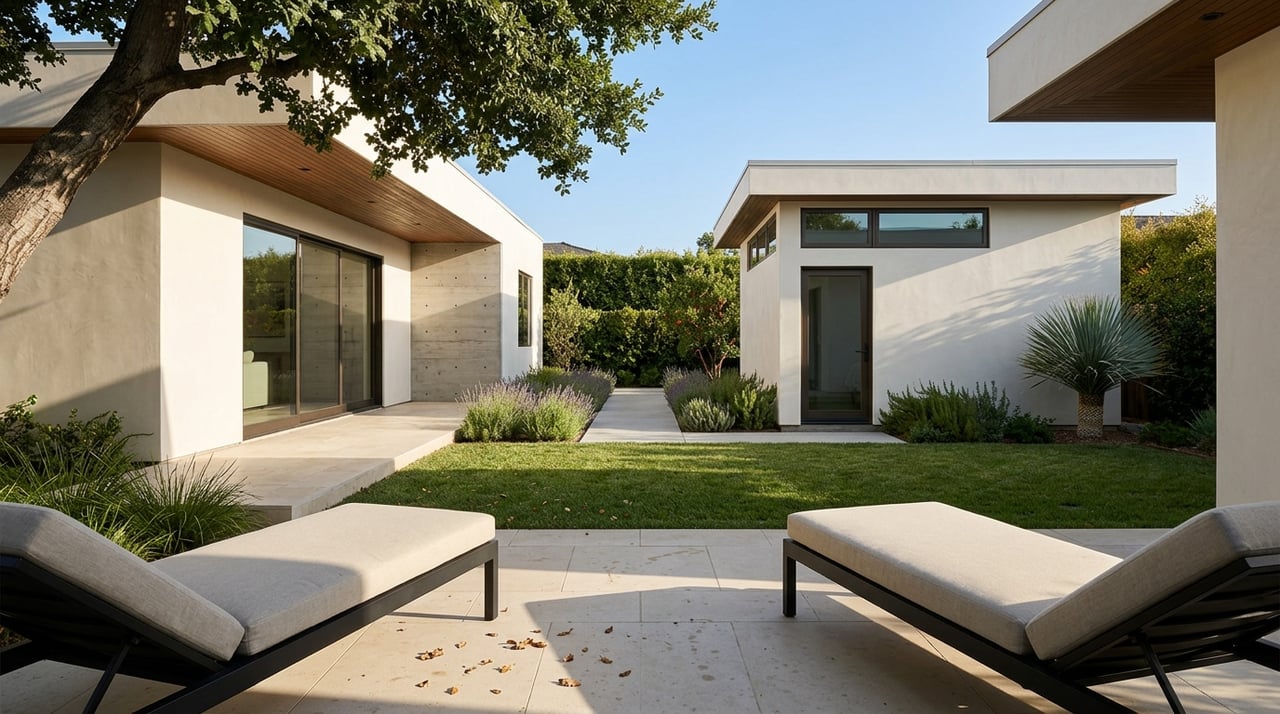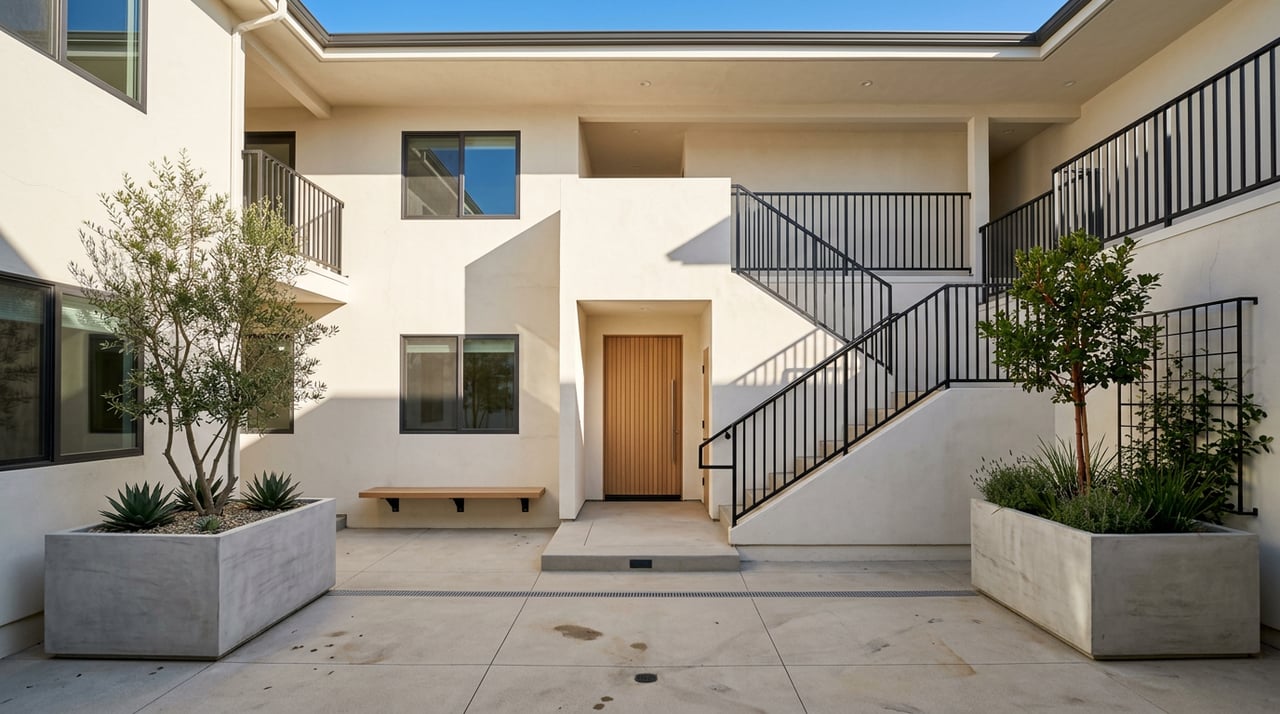
Stuck between the ease of a condo and the freedom of a house in San Mateo? You are not alone. With home values that rank among the highest in the Bay Area, the right choice comes down to how you want to live, what you want to spend each month, and how you plan to build equity over time. In this guide, you will learn the true costs, financing rules, lifestyle tradeoffs, and local checks that matter most in San Mateo. Let’s dive in.
San Mateo market at a glance
San Mateo is competitive and fast moving. Recent city data shows a median sale price around $1.45 million for all home types, while automated value metrics place typical values closer to $1.6 million. Across the county, single family homes often command a higher premium, with a recent county median near $2.06 million for detached homes. Condo and townhome options can be meaningfully more affordable by comparison, with many entry points reported in the $600,000 to $1 million range depending on building age and location.
What this means for you: you are trading a lower entry price and lower exterior maintenance for a condo or townhome, or paying more upfront for a house that offers land, privacy, and flexibility. Because developable land is scarce, both choices are still expensive relative to many U.S. markets, so the details behind HOA health, maintenance, and financing often decide the better fit.
Condo vs. house: what you really own
A condo means you own your unit’s interior and share common areas, all governed by recorded CC&Rs and an HOA. A townhouse can be legally structured as a condominium, a planned unit development, or fee simple with an HOA. The legal form affects your rights, your insurance, and your loan options. Always confirm the recorded form, not just the look of the building.
California’s Davis–Stirling Act sets HOA disclosure and reserve rules that protect owners and predict major repairs. Associations must conduct periodic reserve studies and provide annual financial disclosures. Request these documents before you write an offer so you can gauge the likelihood of future assessments. You can review the reserve study statute at the Davis–Stirling site for context: California Civil Code 5550 on reserve studies.
Monthly costs: HOA dues, insurance, upkeep
HOA dues typically cover exterior maintenance, landscaping, common area utilities and amenities, professional management, and contributions to reserves. In San Mateo, HOA fees vary by building and amenities. Many townhome-style communities report dues in the mid to high hundreds per month, while larger downtown condo buildings often run in the $750 to $900 range. Because fees vary widely, avoid relying on a single blanket number.
Insurance follows the form of ownership. In a condo, you will usually carry an HO‑6 policy for interior finishes, personal property, liability, and loss assessment, while the HOA holds a master policy for the building and shared elements. For a house, you carry broader coverage that insures the structure itself. Rising master policy deductibles make HO‑6 loss‑assessment coverage especially important. For a clear overview, see Bankrate’s guide to what HOA and condo insurance typically cover.
Plan for routine upkeep. A practical rule of thumb for a single family home is to budget about 1 percent of the property value per year for maintenance, with more for older or complex homes. Condo owners should budget for the HOA fee plus a modest interior maintenance allowance. For a refresher on maintenance budgeting, The Balance outlines the 1 percent rule and related guidelines.
Across the Bay Area, HOA dues have been trending upward as insurance and repair costs rise. Regional reporting notes that local HOA fees are higher than many U.S. markets, which is another reason to read the HOA budget and reserve study closely. See the San Francisco Chronicle’s coverage of Bay Area HOA dues compared with other regions.
Financing realities for condos and houses
Your loan options can depend on the project, not just your credit. For condos and some townhomes, lenders review the HOA’s budget, reserves, insurance, occupancy mix, litigation, and more before approving conventional financing. Fannie Mae’s Condo Project Manager is a tool lenders use to assess eligibility, and different review types apply based on risk and loan size. Learn how projects are reviewed through Fannie Mae’s Condo Project Manager overview.
If you plan to use FHA financing, you must confirm that the condo project is approved or eligible through FHA review paths. Buyers relying on FHA or VA loans should verify project approval early to avoid surprises. See HUD’s guidance on FHA condominium approval processes.
Remember that HOA dues count in your debt‑to‑income calculations. A condo with high dues can reduce your maximum loan amount compared with a house at the same price with no HOA. Underwriters also consider the project’s financial health during review. For background on how lenders evaluate condo projects, see Fannie Mae’s selling guide for full reviews.
Lifestyle tradeoffs in San Mateo
Condos and townhomes often sit near transit, dining, and services. Downtown San Mateo offers convenience and lower entry price points within a walkable core, while planned neighborhoods like Bay Meadows add parks, retail, and modern construction. Single family homes in areas such as Aragon or Baywood Knolls typically offer larger lots and more privacy, along with higher purchase prices and more upkeep.
Commuters often compare drive times with Caltrain service. If proximity to a station is important, factor that into your search from day one. You can review schedules and station information on the Caltrain site.
Long‑term equity and resale considerations
Historically, detached single family homes have outperformed condos in many markets, largely due to land ownership and persistent buyer demand for space. In San Mateo County, the median for single family homes is materially higher than condo medians, which signals both a higher barrier to entry and strong long‑term equity potential. That said, appreciation is local. A well‑located condo in a transit‑rich pocket can see healthy resale if the HOA is well managed and loanable. County medians and resale trends from the California Association of REALTORS help illustrate these gaps and patterns over time.
Liquidity also looks different by product. Condos and townhomes tend to have a broader buyer pool at lower price points, but they are more sensitive to HOA red flags like litigation or low reserves that can restrict financing. Houses draw a narrower pool at higher prices, yet low inventory often supports demand. Warrantability and project health matter on both the original purchase and your future resale, so align your choice with your time horizon and risk comfort.
Quick comparison: which fits your goals?
Choose a condo or townhome if you want:
- Lower personal maintenance and predictable monthly costs.
- Walkable or transit‑friendly locations near downtown amenities.
- Building amenities such as fitness, lounge spaces, or secure parking.
- A lower purchase price with HOA oversight of exterior upkeep.
Choose a single family house if you want:
- A yard, privacy, and the flexibility to modify or expand over time.
- More control over exterior design choices and long‑term upgrades.
- Strong land‑driven equity potential and fewer HOA rules.
- Willingness to budget for higher upfront price and ongoing maintenance.
San Mateo due diligence checklist
For condos and townhomes, request these items as early as possible:
- HOA annual budget, balance sheet, and the latest reserve study. See Civil Code 5550 for reserve study rules.
- HOA meeting minutes for the last 12 to 24 months. Look for deferred projects, insurance changes, or planned special assessments.
- Master insurance declarations, including deductible amounts, and confirm your HO‑6 loss‑assessment coverage. Review Bankrate’s guide to HOA and condo insurance.
- Litigation disclosure, owner‑occupancy ratios, and rental policies. Ask your lender to confirm project eligibility through tools like Fannie Mae’s Condo Project Manager.
For single family homes, budget and inspect differently:
- Ask targeted questions about the roof, foundation, HVAC, plumbing, and drainage. Use the 1 percent rule as a baseline, then adjust for age and condition. Reference The Balance’s maintenance budget guidance.
Local checks specific to San Mateo:
- Confirm any Community Facilities District or Mello‑Roos special tax on the property tax bill. Bay Meadows is a known example. You can view a city document on the Bay Meadows CFD formation.
- Consider commute and transit priorities. Review schedules and station access via Caltrain.
Next steps
If you are weighing a condo against a house, start with your monthly comfort number, your preferred lifestyle, and your time horizon for equity. Then test real examples that fit those filters, including HOA health and project loanability for any condo you consider. A clear, side‑by‑side cashflow and due diligence review will usually reveal the best path.
When you are ready, let a local team guide you through product‑type tradeoffs, HOA reviews, and neighborhood options on the Peninsula. If you want help finding the right fit in San Mateo or nearby cities, connect with Mariana Pappalardo for a focused strategy session tailored to your goals.
FAQs
What are typical HOA fees for San Mateo condos?
- Fees vary widely by building and amenities, but many downtown condo communities run in the $750 to $900 per month range, while some townhome‑style communities report mid to high hundreds.
How do HOA dues affect my loan approval?
- Lenders include HOA dues in your debt‑to‑income ratio, which can reduce your maximum loan amount compared with a similar‑priced home that has no HOA dues.
Are condos harder to finance than houses in San Mateo?
- Condos require project reviews that assess reserves, insurance, occupancy, and litigation; if a project does not meet guidelines, some loan programs are limited. Houses do not have this project‑level review.
What is Mello‑Roos and where might I see it?
- Mello‑Roos is a special tax levied by a Community Facilities District to fund local improvements; in San Mateo, parts of Bay Meadows include a CFD, which will appear as a separate line on the property tax bill.
How should I budget for maintenance on a house versus a condo?
- A simple baseline for a house is about 1 percent of the home’s value per year, adjusted for age and condition, while condo owners add the monthly HOA to a smaller interior maintenance reserve.
What HOA documents should I review before buying a condo?
- Ask for the HOA budget, latest reserve study, meeting minutes, master insurance declarations, and disclosures on litigation, owner occupancy, and rental policies, then have your lender confirm project eligibility.