Selling in Menlo Park can feel like a balancing act. You want your home to look exceptional, attract strong buyer interest, and protect your net proceeds without sinking time and money into the wrong projects. The good news is that smart pre-listing prep does not have to mean a full remodel. With the right sequence and a clear eye on return, you can focus on the updates that improve presentation, reduce objections, and support a stronger sale. Let’s dive in.
Why pre-listing prep matters
Before buyers ever walk through your front door, they are judging your home online. The 2025 NAR staging survey found that 73% of buyers' agents rated photos as highly important, while 57% said the same about physical staging, 48% about videos, and 43% about virtual tours. That means your prep plan should support both digital first impressions and in-person showings.
The same survey also showed why the basics matter so much. According to buyers' agents, staging makes it easier for buyers to visualize a home in 83% of cases, and 29% said staged homes received a 1% to 10% higher dollar value offered. Sellers were most often advised to declutter, clean the whole home, and improve curb appeal.
In practical terms, the goal is simple. Remove distractions, highlight the home's best features, and make the condition feel clean, cared for, and easy to understand. When buyers see value clearly, the gap between your asking price and their perception tends to narrow.
Start with the highest-ROI work
Not every dollar spent before listing delivers the same payoff. In the Pacific region's 2025 Cost vs. Value data, smaller exterior updates stood out for resale efficiency. Garage-door replacement recouped 262%, steel entry-door replacement recouped 205.4%, manufactured stone veneer recouped 231.7%, and fiber-cement siding recouped 130.4%.
By contrast, bigger and more customized projects often returned less. Major kitchen remodels, bathroom additions, and ADUs did not recoup at the same level. That does not mean they are never worth doing, but it does mean they should be treated as marketability choices, not automatic value-add projects.
For many Menlo Park sellers, the strongest strategy is to reserve major spending for issues that affect function, condition, or appraisal. Then use lighter, broader-appeal updates to sharpen presentation. This often includes:
- Fresh paint
- Updated lighting
- Flooring touch-ups
- New or refreshed hardware
- Landscaping improvements
- Entry and garage door refreshes
- Staging key rooms for photos and tours
Follow the right prep sequence
A good pre-listing plan is not just about what you do. It is also about when you do it. California's disclosure framework makes timing important, especially when visible issues could come up during buyer review.
A strong sequence usually looks like this:
- Complete a pre-listing walk-through and create a punch list.
- Identify visible defects, safety concerns, and items likely to appear in disclosures.
- Handle compliance-sensitive work first.
- Move to cosmetic improvements that affect presentation.
- Finish with decluttering, deep cleaning, staging, and professional photography.
This order helps you avoid spending on styling before the more important issues are addressed. It also supports a cleaner listing launch, with fewer surprises once buyers begin asking questions.
Focus on buyer-visible issues first
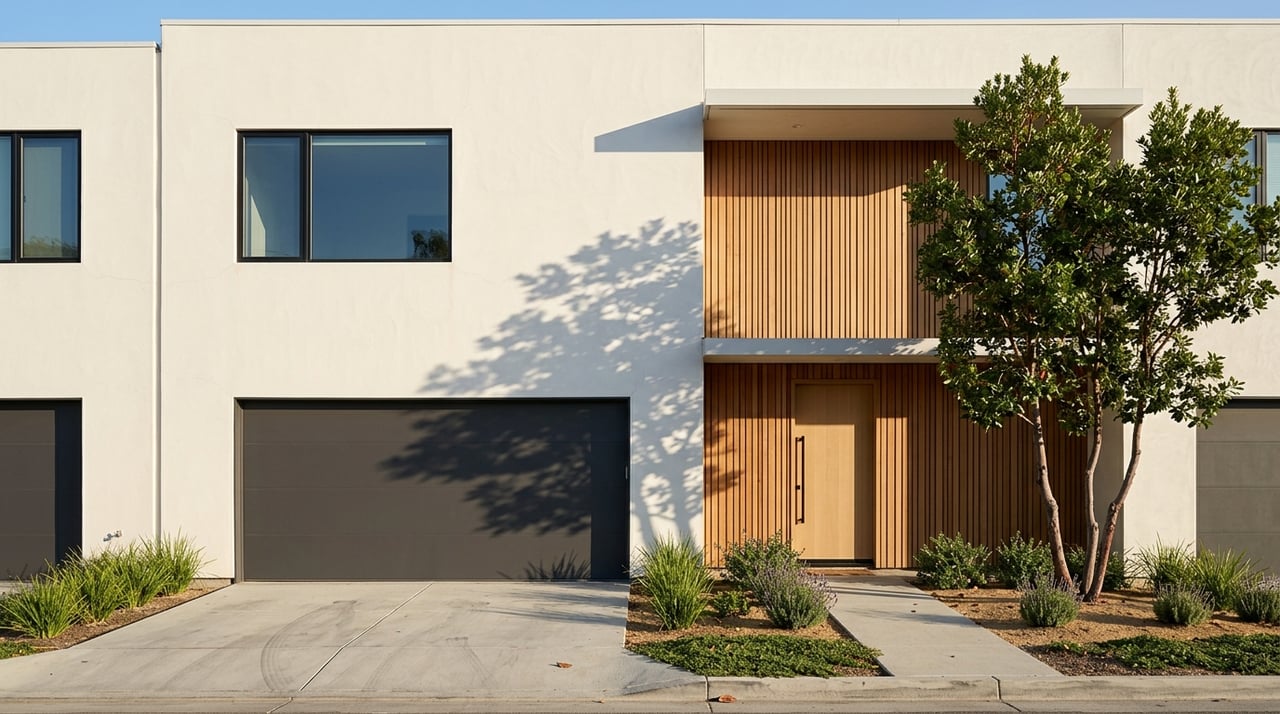
The most effective pre-listing work often targets what buyers notice quickly. Scuffed walls, dated light fixtures, worn flooring, tired landscaping, and a neglected entry can shape perception within minutes. These items may not seem major on their own, but together they affect how well the home shows and photographs.
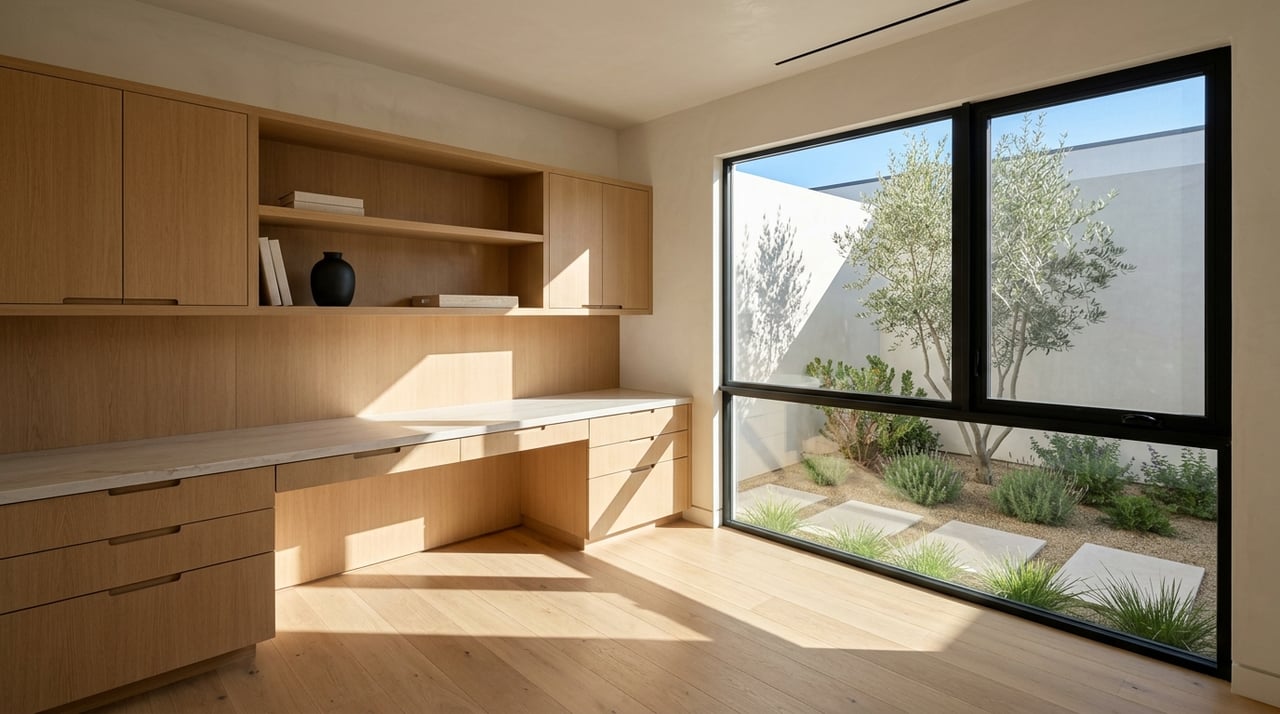
This is where design-forward prep can make a real difference. A lighter, cleaner palette, consistent hardware, polished lighting, and edited furnishings help buyers focus on scale, natural light, and flow. In a market like Menlo Park, where expectations are high, that visual clarity matters.
Be careful with permit-triggering projects
If you are thinking about more than cosmetic work, confirm the scope before you start. Menlo Park accepts building permit applications digitally through its Accela portal, and the city directs kitchen remodels, new homes or ADUs, demolition, and grading requests to begin with the Building Pre-Application process. That early review helps staff check for completeness before plan review moves forward.
The city also recommends clear plans prepared by an architect or designer familiar with the local process. For sellers, that is a practical reminder that larger jobs can add coordination time. If your goal is to list on a defined schedule, you do not want permit surprises slowing the process.
Some projects can trigger added review. Menlo Park may require an arborist report when heritage trees are near proposed construction. A FEMA substantial-improvement worksheet may also be required for certain work in flood zones A, AE, AH, and AO.
Depending on the scope, the Menlo Park Fire Protection District may need to approve fire-code-related work before the city issues a permit. This is another reason to screen bigger ideas early, especially if you are weighing structural, systems, or layout changes before listing.
Watch the rules for fences and landscaping
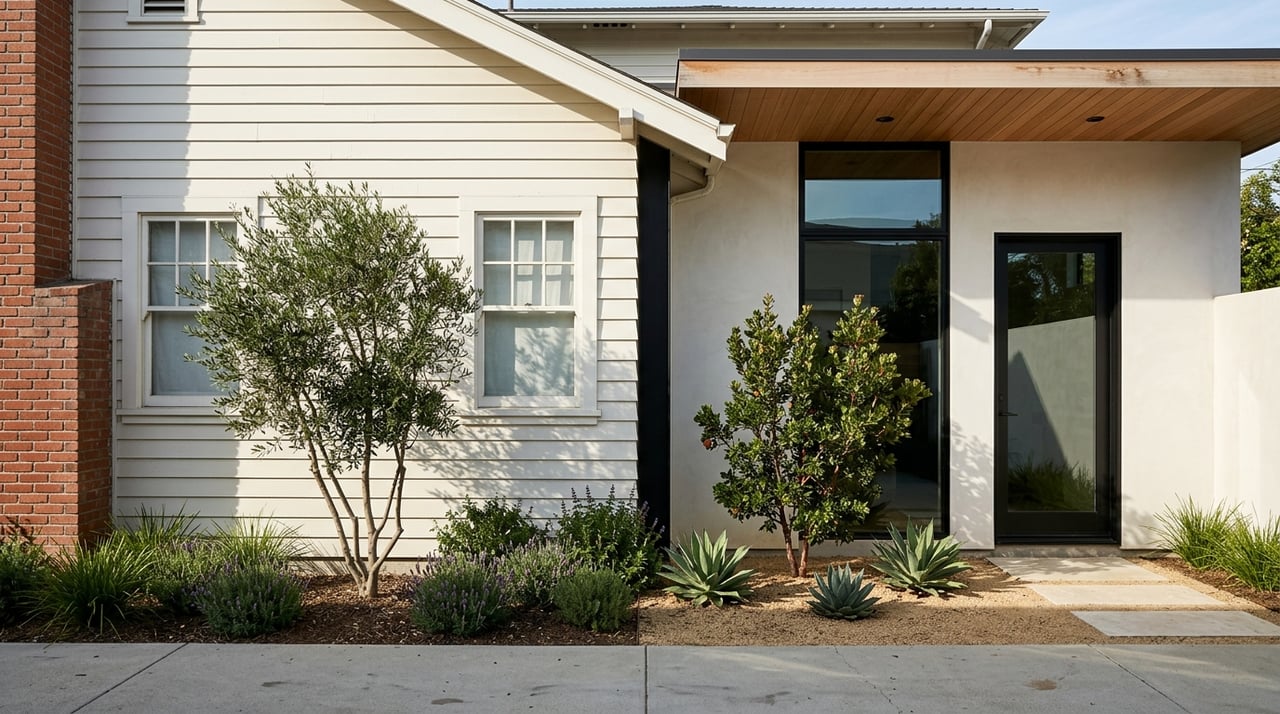
Curb appeal usually delivers strong value, but exterior work should still be checked carefully. In Menlo Park, residential fences and walls must remain on private property and outside the public right-of-way. In most residential districts, the maximum height is 7 feet, but in required front setbacks, the cap is 4 feet.
The city also notes that wood fences under 7 feet are exempt from building permit requirements. Even so, the curb or sidewalk line is not a reliable property-line marker. If you are refreshing a front fence or wall for appearance, it is smart to verify the actual property line before work begins.
Larger landscape or hardscape changes may also require a landscape plan to meet water-efficiency rules. So if your pre-listing vision includes a front-yard redesign, be sure the scope matches your timeline and your expected return.
Build your prep plan around disclosures
Pre-listing prep should always be paired with disclosure planning. In California, sellers of residential property must provide a Real Estate Transfer Disclosure Statement, or TDS. The California Department of Real Estate says it must be delivered to the buyer as soon as practicable and before transfer of title.
The seller and the seller's agent each have disclosure duties. The agent's portion is based on a reasonably competent and diligent visual inspection of accessible areas. That means visible defects and known issues matter, even if you decide not to repair every item before listing.
Separate natural hazard disclosures may also apply under California Civil Code 1103. These can include disclosures related to very high fire hazard severity zones, earthquake fault zones, seismic hazard zones, and state responsibility areas or wildland fire areas, depending on the property's mapped location.
If your home was built before 1978, there is another important step. Federal law requires sellers and agents to provide the EPA lead pamphlet and disclose any known lead-based paint or lead hazards before the buyer signs a contract. Buyers must also be given a 10-day opportunity to test for lead-based paint or hazards.
Plan for net proceeds early
A smart pre-listing strategy is not only about sale price. It is also about what you keep. Transfer taxes are one of the closing-cost items that should be included in your pre-listing net sheet from the start.
San Mateo County's documentary transfer tax is $1.10 per $1,000 of value, paid at recording. The City of Menlo Park adds its own real property transfer tax at $0.55 per $1,000. Together, that means a Menlo Park sale can face $1.65 per $1,000 of consideration before exemptions and other closing costs.
When you are weighing prep spending, it helps to review those numbers alongside likely sale scenarios. A clear net sheet can help you decide whether a project is worth doing, whether it is better to price around a condition issue, or whether a lighter-touch improvement will better protect your bottom line.
When concierge funding can help
Some sellers have strong equity but prefer not to pay pre-listing costs out of pocket. In that case, concierge-style funding can make the prep process easier to manage. Compass Concierge is designed to front approved home-prep costs, with current materials stating that nothing is due until closing. Repayment occurs when the home sells, the listing is terminated, or 12 months pass, and Compass notes that state-specific fees or interest may apply.
Compass also states that the financing itself is arranged through Notable Finance, not Compass. For sellers, the practical benefit is flexibility. You can move forward with needed prep while preserving cash flow and reducing the stress of coordinating multiple invoices on your own.
The covered-service list is broad and useful for pre-listing work. It includes staging, deep cleaning, decluttering, cosmetic renovations, landscaping, painting, flooring, moving and storage, pest control, electrical work, kitchen and bathroom improvements, and certain roof, plumbing, and sewer-related repairs.
For most Menlo Park listings, the best use of this kind of funding is small-to-medium work with broad buyer appeal. Think paint, lighting, visible repairs, curb appeal, flooring updates, and staging. Larger additions or highly customized remodels still need to be screened carefully against likely resale efficiency.
A practical Menlo Park prep checklist
If you are preparing to sell, this is a smart way to frame your next steps:
- Walk the property with a critical eye
- Create a punch list of defects, maintenance items, and cosmetic distractions
- Separate permit-sensitive projects from simple presentation upgrades
- Prioritize broad-appeal updates over highly personal improvements
- Review disclosure-related items early
- Confirm fence, landscape, or larger exterior work against city rules
- Build transfer taxes and prep costs into your net sheet
- Schedule decluttering, cleaning, staging, and photography last
This kind of prep is not about doing everything. It is about doing the right things in the right order, with a clear understanding of timeline, presentation, and return.
Selling well in Menlo Park usually comes down to discipline, not excess. The homes that stand out are often the ones with fewer distractions, stronger visual flow, and thoughtful updates that feel clean, current, and easy for buyers to understand. If you want a plan that balances design, timing, and return, Mariana Pappalardo can help you scope the work, coordinate the details, and prepare your home for a polished market debut.
FAQs
What pre-listing projects usually matter most for Menlo Park sellers?
- The highest-impact projects are often decluttering, whole-home cleaning, curb appeal improvements, paint, lighting, flooring touch-ups, visible repairs, and staging that supports strong photography and showings.
Should you remodel the kitchen before listing a Menlo Park home?
- Not always. Pacific-region Cost vs. Value data show that larger, more customized remodels often recoup less than smaller exterior or presentation-focused updates, so a kitchen remodel should be evaluated carefully as a marketability decision.
Do Menlo Park pre-sale improvements need permits?
- Some do. Menlo Park directs kitchen remodels, demolition, grading, new homes, and ADUs to begin with a Building Pre-Application process, while certain exterior, tree-related, flood-zone, or fire-code-related work can trigger additional review.
What disclosures do California sellers need before closing on a Menlo Park home sale?
- California sellers generally need to provide a Transfer Disclosure Statement, and separate natural hazard disclosures may apply depending on mapped conditions. Homes built before 1978 also require lead-based paint disclosures and the EPA lead pamphlet before contract signing.
How much are transfer taxes on a Menlo Park home sale?
- San Mateo County charges $1.10 per $1,000 of value and the City of Menlo Park adds $0.55 per $1,000, for a combined $1.65 per $1,000 of consideration before exemptions and other closing costs.
Can Compass Concierge help cover Menlo Park pre-listing costs?
- Yes. Current Compass materials say Concierge can front approved prep costs for items like staging, cleaning, painting, landscaping, flooring, and certain repairs, with repayment typically due at closing, listing termination, or after 12 months.