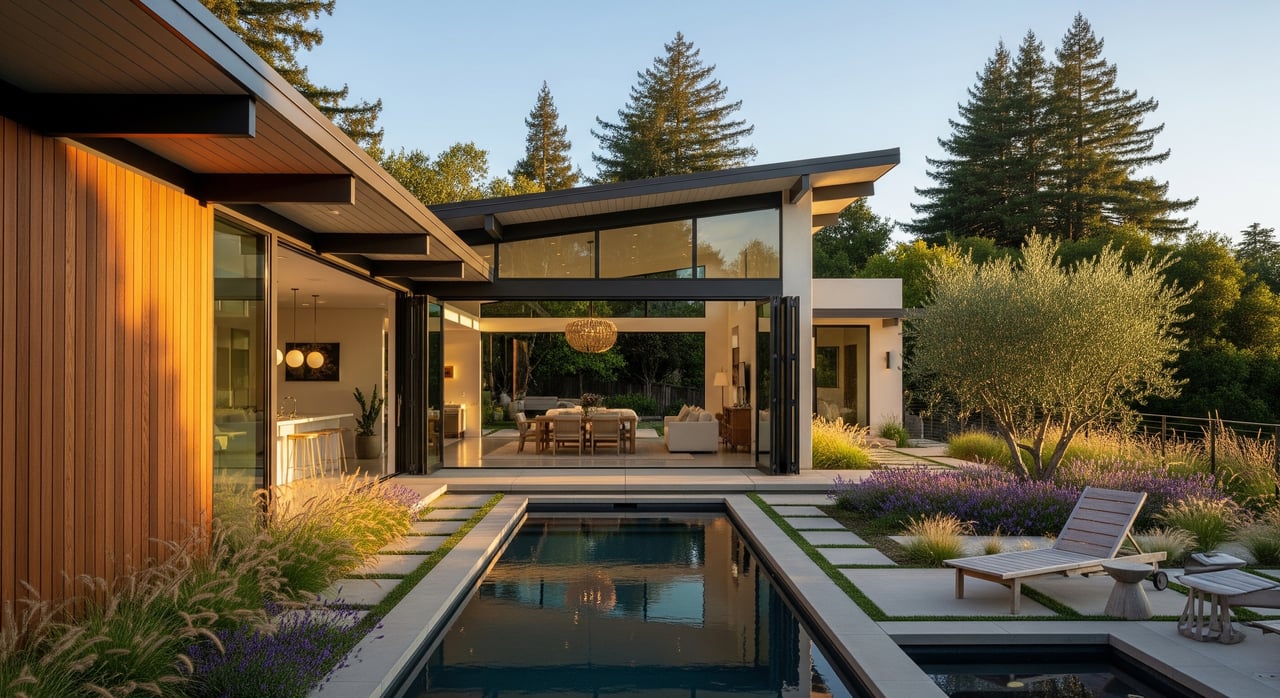
What if the home you choose could elevate your daily life and your long-term return? In Palo Alto, architecture is more than curb appeal. It shapes how you live, work, entertain, and connect with the outdoors, and it can influence how your property performs when it is time to sell. If you understand the city’s signature styles and how to enhance them, you can make better decisions as a buyer or seller.
This guide breaks down Palo Alto’s main architectural styles, how they live, what buyers look for, and which upgrades tend to pay off. You will also find checklists for evaluating homes and planning renovations with confidence. Let’s dive in.
Palo Alto’s architecture at a glance
Palo Alto grew in waves alongside Stanford, early suburban expansion, the postwar boom, and today’s tech-fueled redevelopment. That timeline left a rich mix of Craftsman and Victorian-influenced bungalows, 1920s Spanish and Mediterranean homes, postwar Ranch and iconic Midcentury Modern Eichlers, and high-end contemporary builds. Preservation is active, modern lifestyles are top of mind, and both history and innovation thrive here.
Style guide by era and lifestyle
Craftsman and early 1900s homes
These homes often feature low-pitched gabled roofs, broad eaves with exposed rafters, and inviting porches with tapered columns. Inside, you may find built-in cabinetry, wood trim, and warm natural materials that create character-rich spaces.
- Where you see them: Older central neighborhoods such as Professorville, Old Palo Alto, and parts of Crescent Park and areas near Stanford.
- How they live: Comfortable and grounded, with defined rooms and cozy gathering spaces. Porches and gardens support relaxed indoor-outdoor routines.
- Buyer and seller notes: Original woodwork and period details are highly valued. Plan for system upgrades, including electrical, plumbing, insulation, and seismic improvements. Historic district rules may shape exterior changes, so factor that into timelines and budgets.
Spanish Colonial Revival and Mediterranean
Often from the 1920s and 1930s, these homes feature stucco exteriors, red clay tile roofs, and arches at windows and doors. Courtyard plans bring light into the center of the home and extend living outside.
- Where you see them: Scattered among older neighborhoods in pockets built during the 1920s to 1930s.
- How they live: Courtyards and patios create natural flow for dining, gatherings, and morning coffee outdoors. The style suits Palo Alto’s climate.
- Buyer and seller notes: Stucco, tile, and arched detailing require careful maintenance. Preserve characteristic materials where possible, and consider energy upgrades that respect the facade and window profiles.
Postwar Ranch and Midcentury Modern, including Eichler
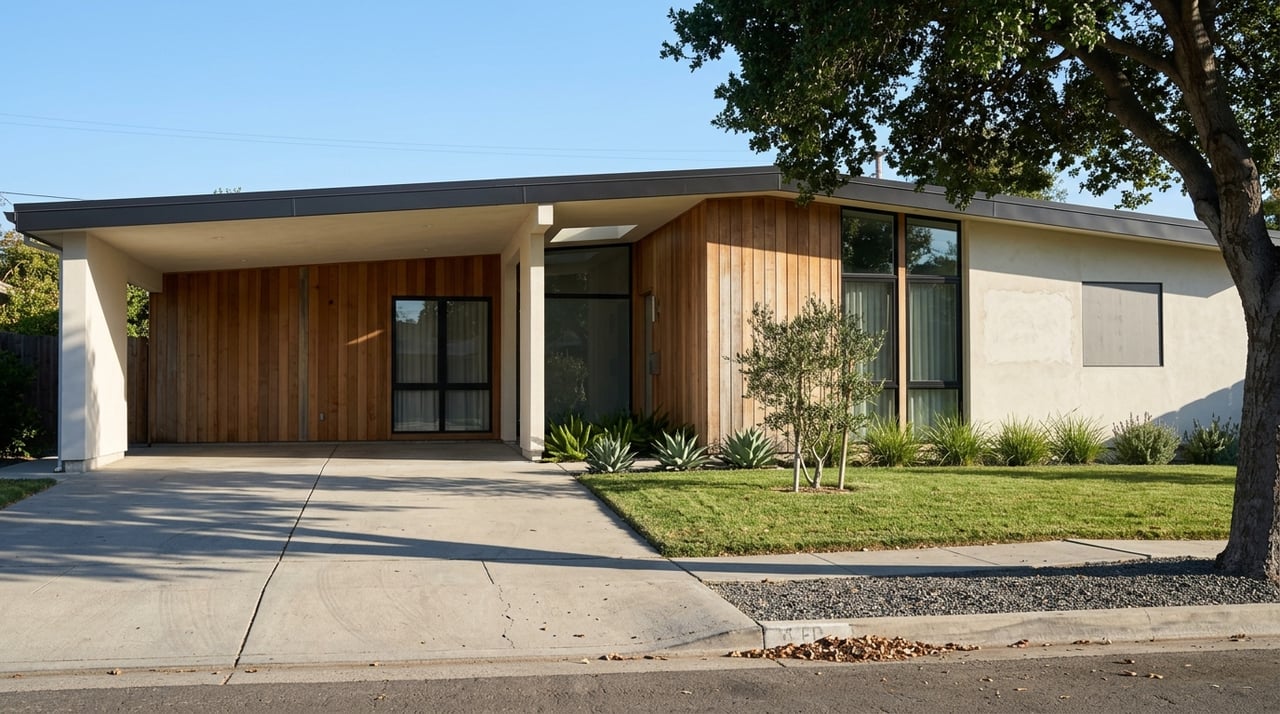
Ranch homes tend to be single-story with low profiles, attached garages, and L-shaped plans. Midcentury and Eichler designs highlight post-and-beam structure, open floor plans, large panes of glass, clerestory windows, and iconic atriums that blend indoor and outdoor living.
- Where you see them: Many postwar subdivisions across Palo Alto, with notable concentrations of Eichlers built in the 1950s and 1960s.
- How they live: Light-filled, flexible, and social. Kitchens often open to living spaces, and sliders connect to patios and yards.
- Buyer and seller notes: Midcentury character is in strong demand. Original Eichler features, such as radiant-heated slabs and single-pane glass, are part of the appeal but can add complexity when upgrading insulation, glazing, and roofs. Aim to keep the essence while improving comfort and efficiency.
Contemporary and custom new builds
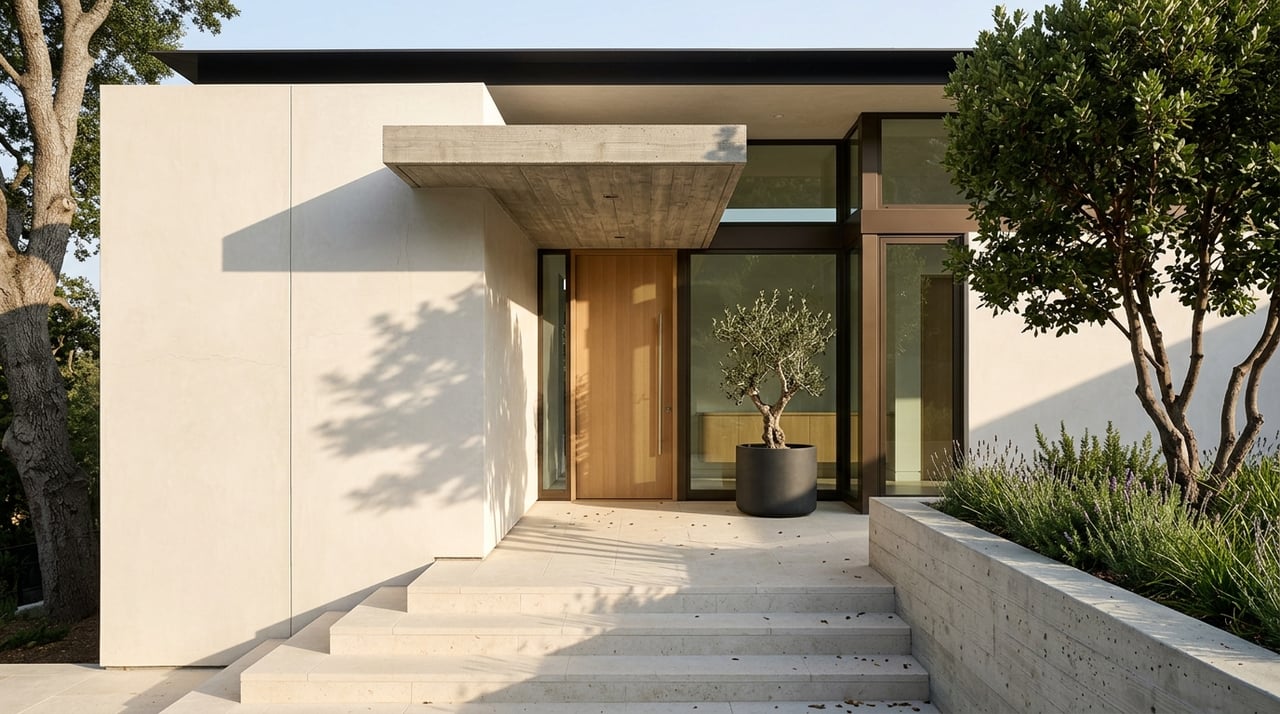
Today’s high-end homes favor minimalist lines, large glass walls, engineered envelopes, and integrated technology. Plans are open, storage is strategic, and sustainability is often a core design driver.
- Where you see them: Affluent neighborhoods and streets where tear-downs and rebuilds have occurred, including Old Palo Alto, Crescent Park, and parts of South Palo Alto.
- How they live: Expansive kitchens as social hubs, seamless transitions to outdoor rooms, and smart systems that support work and entertainment.
- Buyer and seller notes: New builds attract premium pricing when well executed. Expect design review, neighborhood compatibility checks, and complex permitting. Privacy and landscape design are essential, especially with larger glass areas.
How design shapes daily life
Indoor-outdoor living
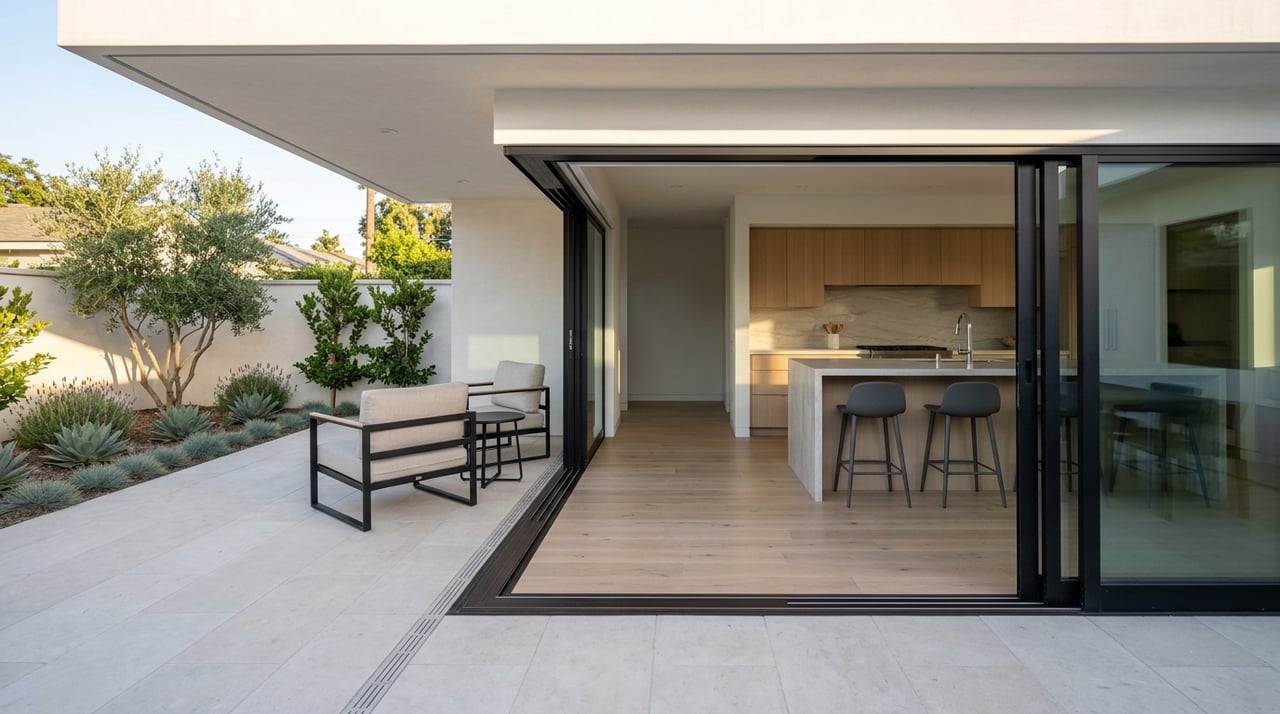
Palo Alto’s climate invites year-round use of patios and decks. Sliding or folding glass walls, level thresholds, and well-placed outdoor lighting create inviting spaces that expand usable square footage in a practical way. A thoughtfully designed garden can be a top selling point.
Open plans and flexible rooms
Buyers look for adaptable spaces that support home offices, hybrid work, and multi-generational living. If walls feel tight or circulation is awkward, consider selective openings that preserve structural integrity while improving flow.
Preservation and modernization
Many buyers want the charm of a period home or the clarity of midcentury design with the comfort of modern systems. Upgrading mechanical, electrical, and plumbing while protecting character requires a careful plan. Often the best results come from reversible or minimally invasive changes that keep signature features intact.
Sustainability and electrification
Energy efficiency, rooftop solar readiness, heat pump HVAC, and EV infrastructure are increasingly expected. Palo Alto’s municipal utility model can influence choices on interconnections and incentives. When planning upgrades, evaluate insulation, windows, air sealing, and right-sized systems together to maximize comfort and long-term savings.
Smart home integration
From whole-home Wi-Fi planning to automated shading and built-in audio, high-tech features are now part of the baseline in many premium homes. Aim for systems that are robust, secure, and simple to use.
Neighborhood cues to look for
- Professorville and nearby streets: Craftsman and early 1900s homes with notable character and potential historic protections.
- Old Palo Alto: A mix of classic period homes, elegant Mediterranean properties, and sophisticated custom builds.
- Crescent Park: Stately streets with a blend of older styles and new construction on larger lots.
- South Palo Alto neighborhoods: Concentrations of Ranch and Midcentury Modern, including Eichler tracts prized for their indoor-outdoor living.
Keep in mind that every block is unique. Walk the street at different times of day, note privacy, shade, and traffic patterns, and observe how homes relate to the landscape.
Buyer checklist: what to evaluate
- Authenticity vs. retrofit: Identify which original features remain and what was altered. Look for consistency in finishes and detailing.
- Systems and structure: Check HVAC age, electrical capacity, plumbing materials, roof condition, window types, and foundation health. Plan for seismic retrofits in older homes.
- Daylight and privacy: Assess orientation, window placement, sightlines from neighbors, and potential for shading or solar panels.
- Indoor-outdoor flow: Evaluate yard usability, access from main living areas, and opportunities to create outdoor rooms.
- Expansion potential: Understand lot size, setbacks, and zoning. Consider ADU feasibility and any neighborhood design guidelines.
- Preservation and rules: Verify whether the property is listed or in a district that adds review requirements.
Seller playbook: upgrades that resonate
- Preserve signature details: Keep Craftsman woodwork and built-ins. In midcentury homes, protect post-and-beam lines, atriums, and glass walls. Use reversible interventions where possible.
- Improve flow and flexibility: Open sightlines strategically and define zones for work, play, and entertaining without losing character.
- Make high-impact updates: Modernize kitchens and baths with quality materials that align with the home’s style. Target glazing upgrades and insulation that improve comfort while maintaining the aesthetic.
- Elevate outdoor living: Create functional patios, shaded dining, and lighting that extend the evening. Use drought-tolerant, native plantings where feasible.
- Prepare documentation: Assemble plans, permits, system upgrade histories, and any historic resource reports. Clarity builds buyer trust and can support premium pricing.
- Stage for the architecture: Furniture scale, lighting, and art should highlight natural light, ceiling lines, and garden views.
Permits, zoning, and ADUs
Significant remodels and new homes typically need building permits and, in some cases, design review. Properties with historic status or in designated areas can have added review layers. California encourages ADUs, and Palo Alto applies local rules on setbacks, parking waivers, utility connections, and design compatibility. Early due diligence avoids surprises and keeps projects on track.
Common issues and how to plan
- Older homes: Expect to evaluate knob-and-tube wiring, original plumbing, limited insulation, and potential seismic needs. Factor these into both offer strategy and renovation budget.
- Midcentury and Eichler specifics: Radiant slab systems, single-pane glass, and low-slope roofs often call for specialized upgrades. Work with professionals who understand how to retain the look while improving performance.
- New builds: Plan for stormwater requirements, tree protection, and neighborhood compatibility standards. These can influence design, cost, and schedule.
Cost and ROI: where design pays off
Buyers in Palo Alto reward homes that feel cohesive, authentic, and move-in ready. High-quality kitchen and bath remodels, stronger indoor-outdoor connections, and energy upgrades can have strong appeal. Returns vary by neighborhood and market cycle. Use recent, style-relevant comps to guide investment levels and sequencing.
How a design-forward team helps
The right strategy blends market insight with construction know-how. As a design-driven, full-service team, we help you scope high-ROI updates, coordinate vendors, and deliver premium presentation. From pre-listing project management and staging to new construction and buyer representation, our focus is to maximize your results while minimizing friction. If you are a seller, tools like concierge-style preparation and structured timelines can turn targeted improvements into measurable proceeds. If you are a buyer, we help you read each home’s potential and avoid costly missteps.
Ready to align architecture, lifestyle, and value? Connect with Mariana Pappalardo for a complimentary consultation.
FAQs
Are Eichler homes a smart buy in Palo Alto?
- They are prized for design clarity and indoor-outdoor flow. Value depends on condition, authenticity of features, and the cost and complexity of mechanical and glazing upgrades.
Do historic designations block remodeling plans?
- They add review requirements and may limit changes to character-defining features, but many updates are possible with approval on a case-by-case basis.
Will a modern remodel hurt resale in a historic area?
- Quality projects that respect neighborhood character and period cues often increase value. Inappropriate front-facing changes can narrow the buyer pool.
How important is indoor-outdoor design in Palo Alto?
- Very important. Buyers expect strong daylight, easy yard access, and spaces that support entertaining and everyday living.
Are ADUs worth pursuing here?
- ADUs can add flexibility and potential income. Site constraints, permitting, and utility connections are key factors. Local rules guide feasibility and design.
Which inspections matter most for older and midcentury homes?
- Prioritize structural and foundation checks, roof condition, plumbing and sewer lines, electrical capacity and safety, and for midcentury homes, radiant slabs and roof flashings.
How do you upgrade energy performance without losing character?
- Add insulation in concealed areas, use efficient glazing that preserves original profiles, and select HVAC solutions that minimize visible equipment.
Are contemporary new builds risky for resale?
- High-quality, well-located contemporary homes typically resell well. Extremely polarizing designs can limit your audience, so aim for thoughtful, timeless choices.